



Figurative Language in Literature
Figurative language, as with many writing concepts, are best taught through rich literature.
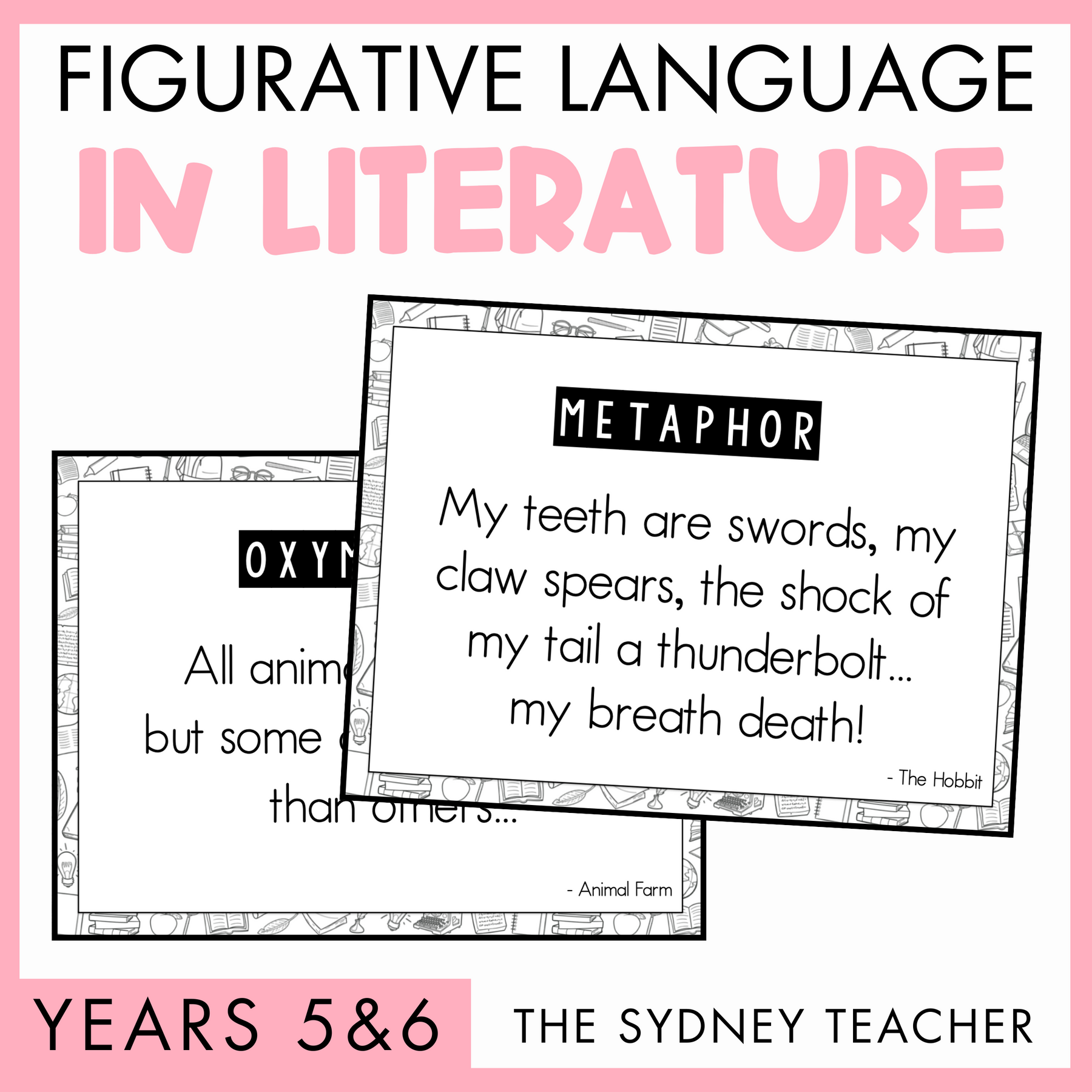
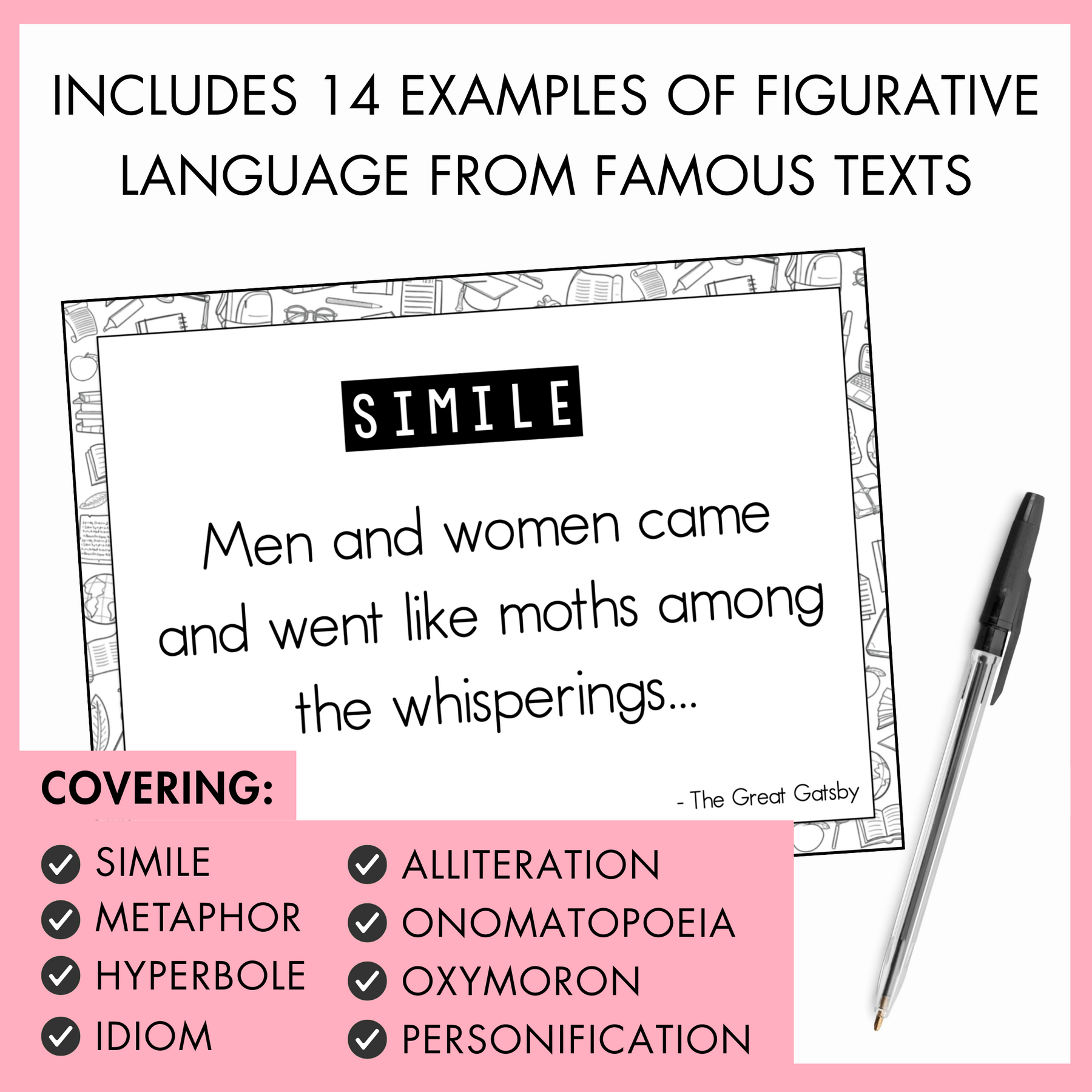
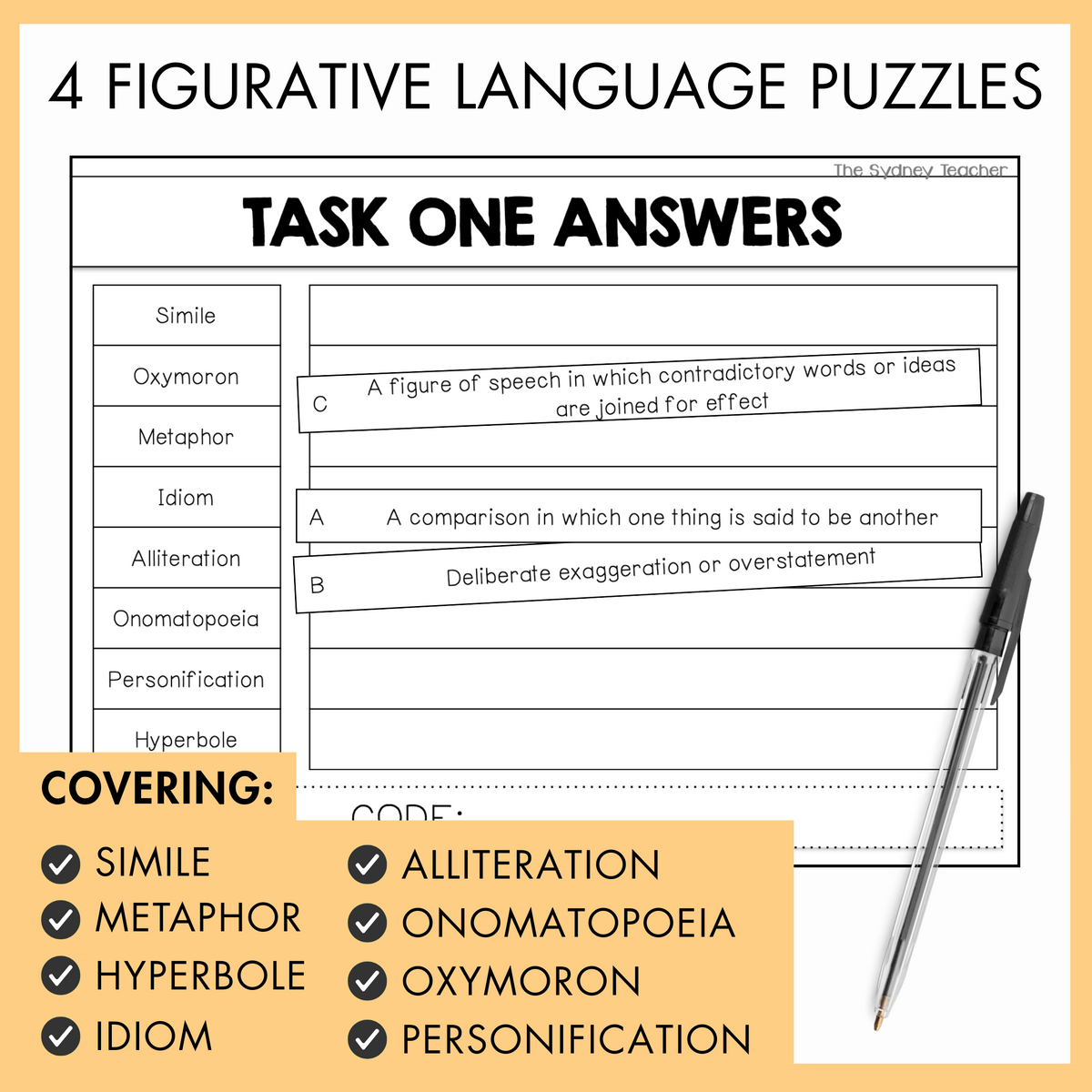
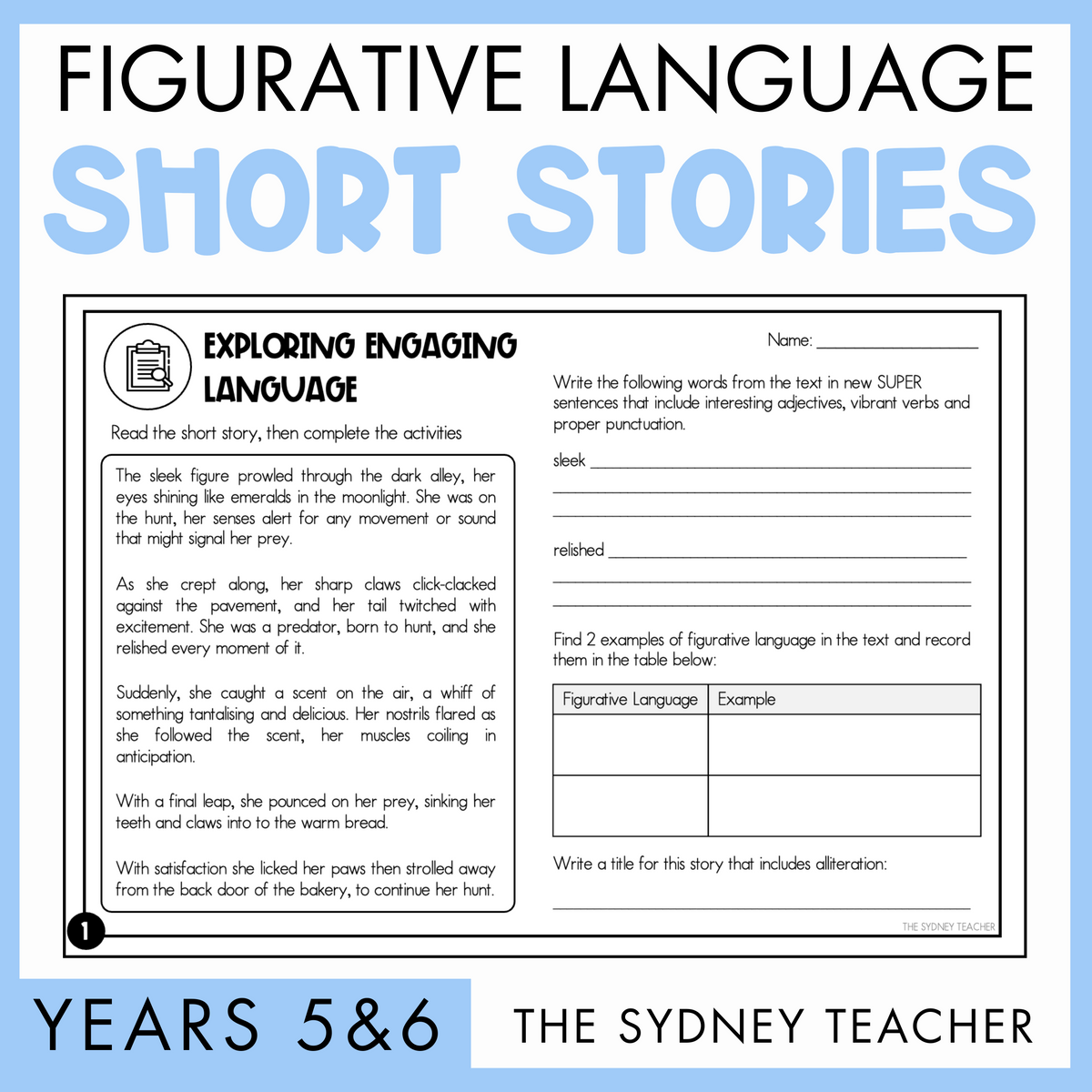
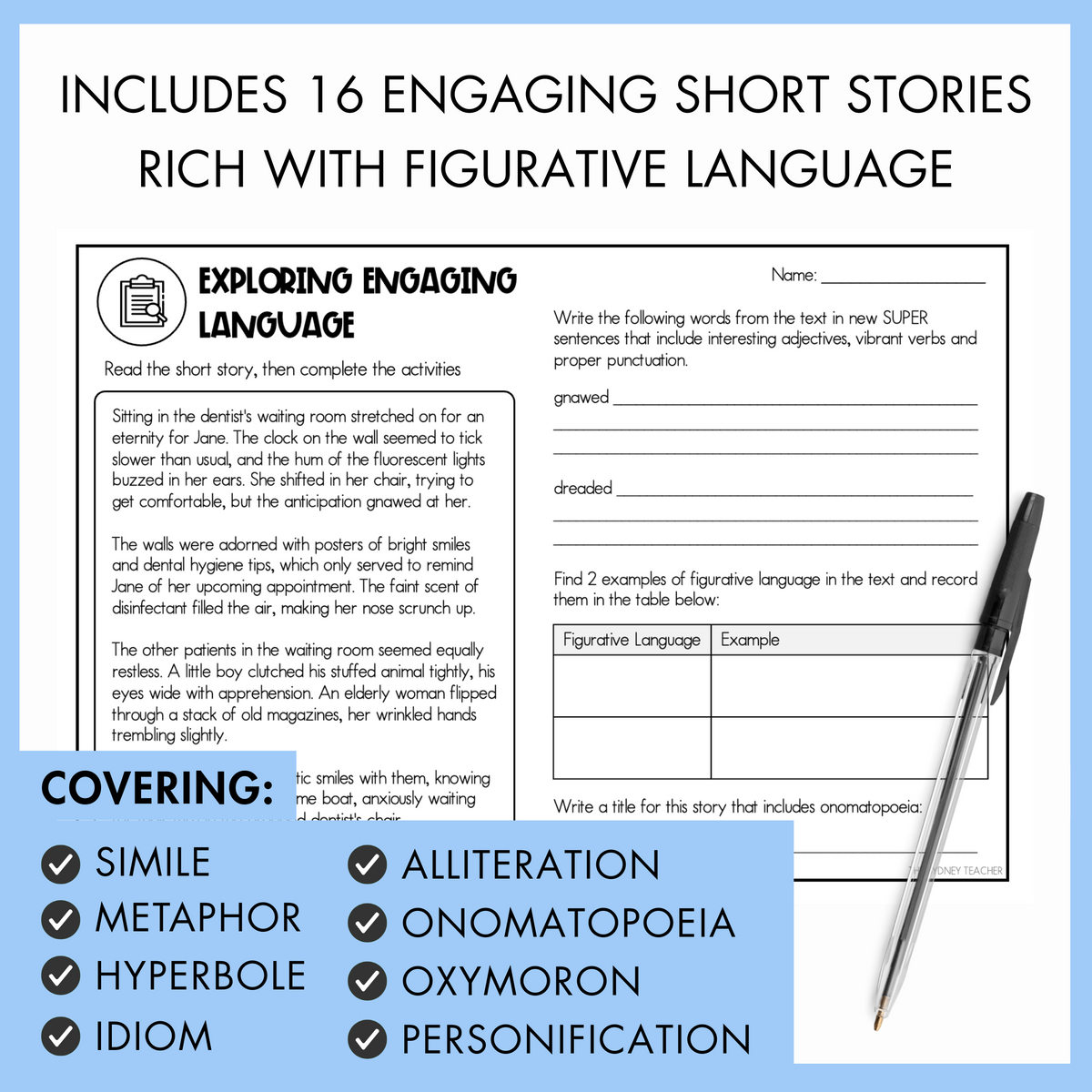
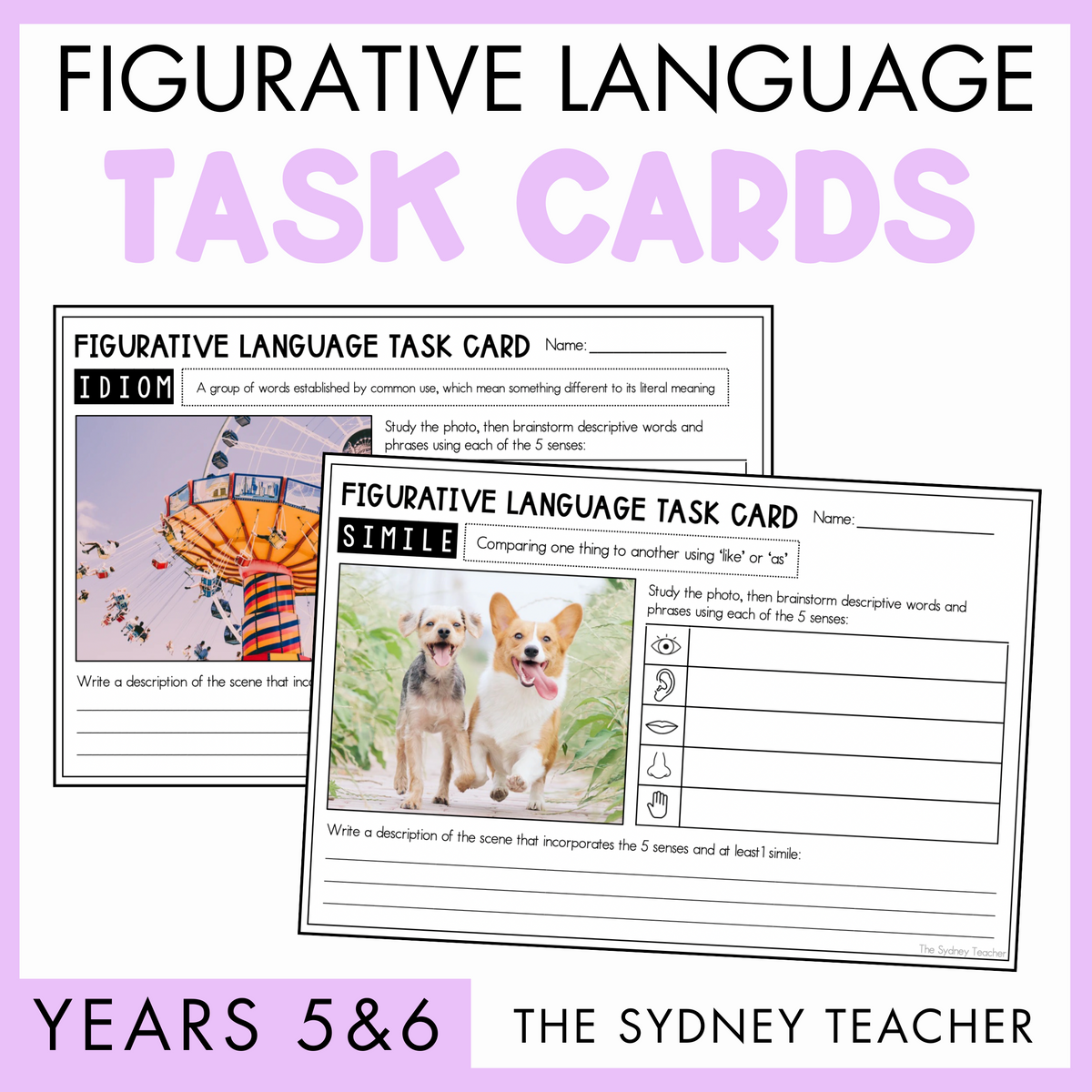
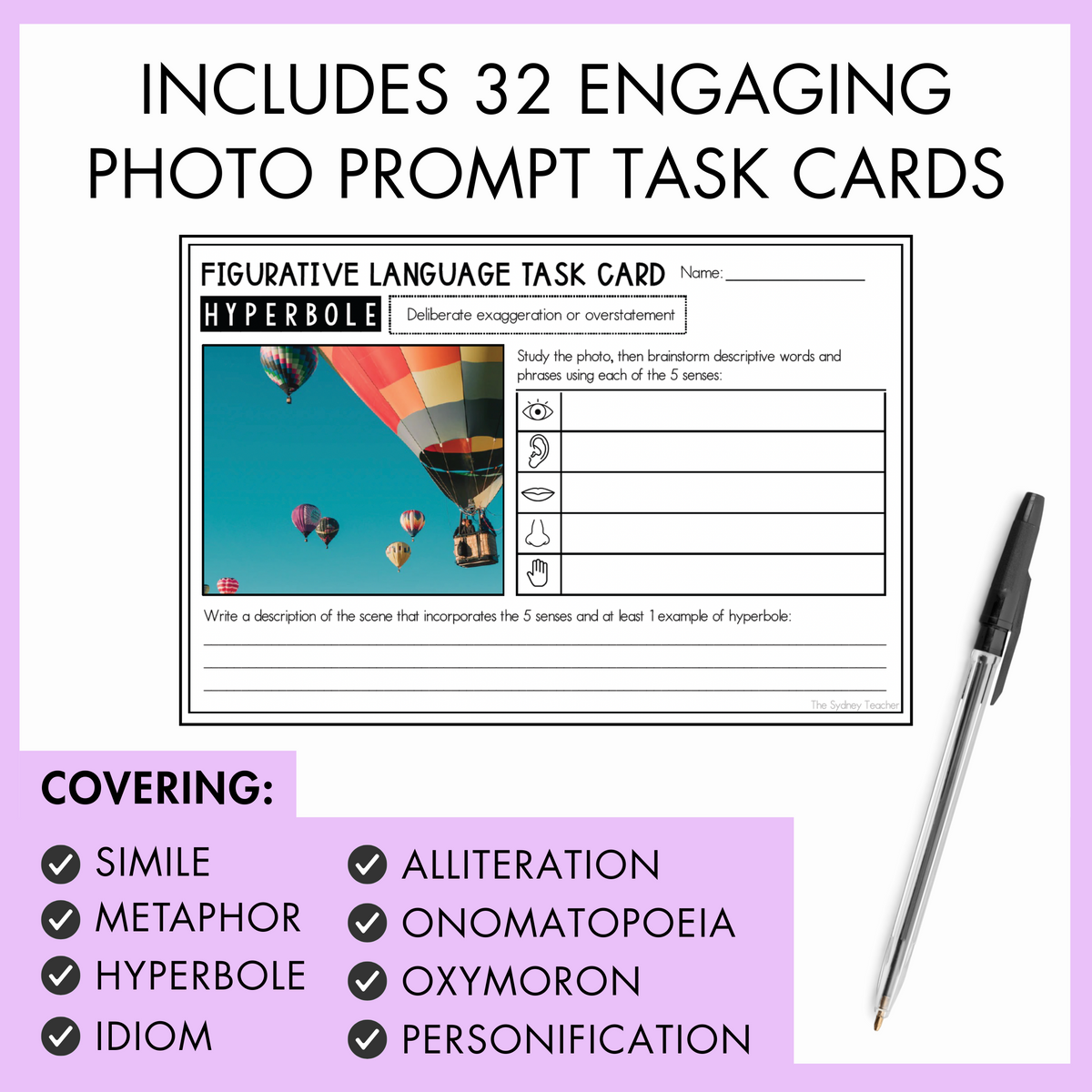
Figurative Language Covered: Simile, metaphor, hyperbole, idiom, oxymoron, alliteration, personification, onomatopoeia.
Some examples:
- "Edgar Marsalla laid this terrific fart... her damn near blew the roof off" Catcher in the Rye (Hyperbole)
- "Shafts of light poured down into the room from windows set high in the massive walls" Ranger's Apprentice (Personification)
Purchase in this bundle
Why Choose The Figurative Language in Literature?
- This resource exposes your students to a wide range of amazing authors and texts, and may even inspire them to read the books!
- Students can learn figurative language in the most effective way - through context!
- Excerpts can also be used as story starters for a new narrative!
- Posters can be printed and displayed around your classroom!
- Posters can be coloured in and glued into students’ books!
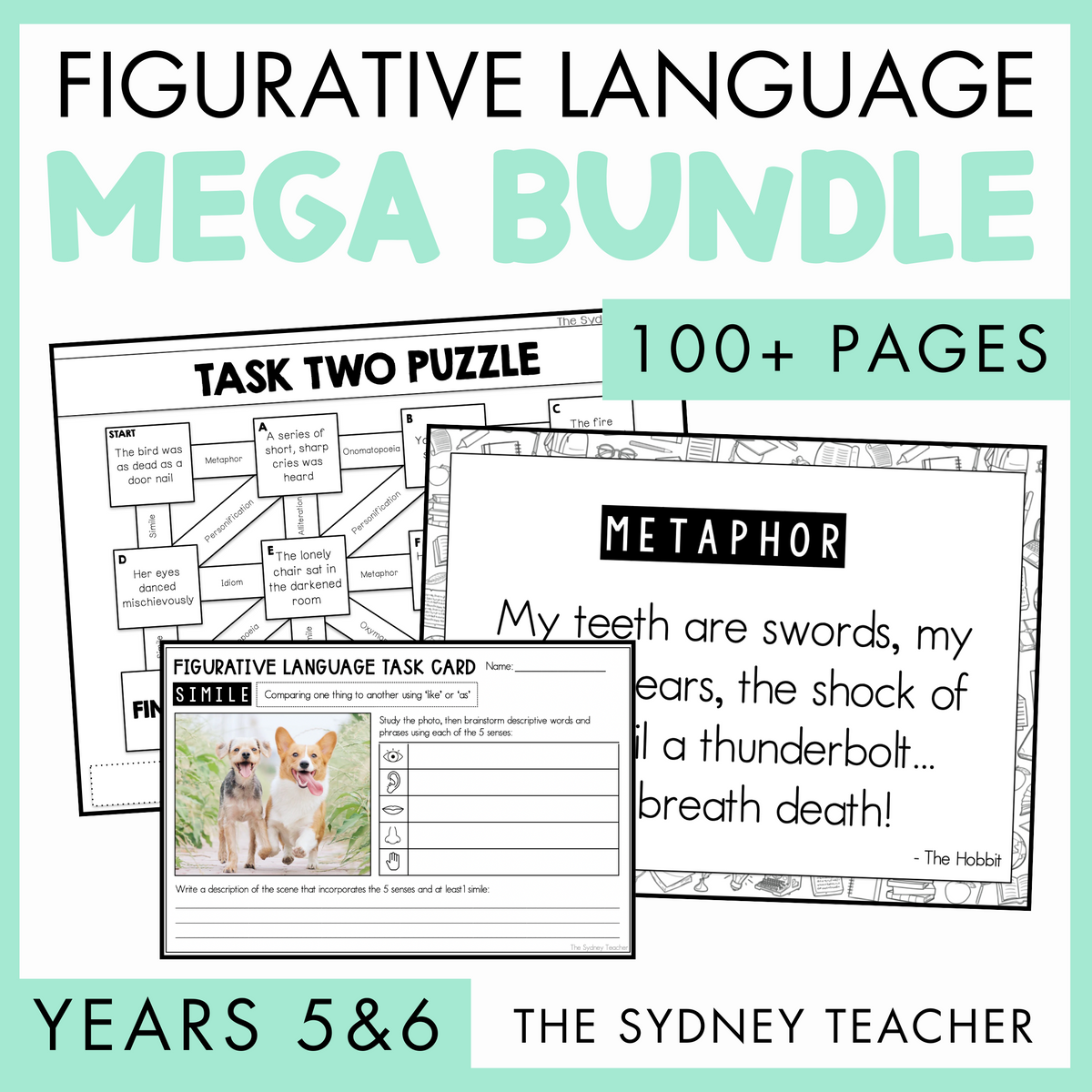
What's Included?
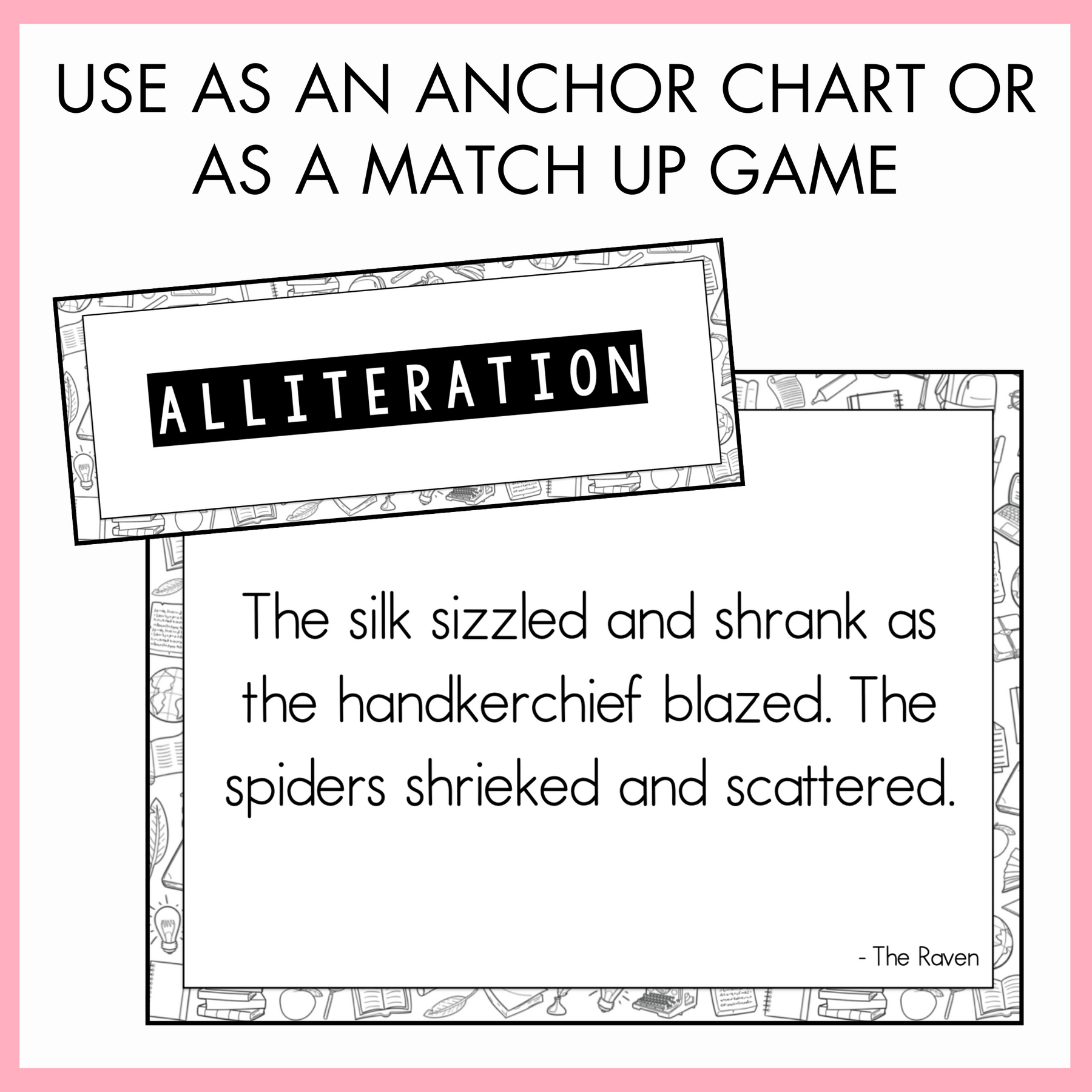
- Posters with figurative language definitions
- 14 examples of figurative language from rich texts (with and without answers displayed)
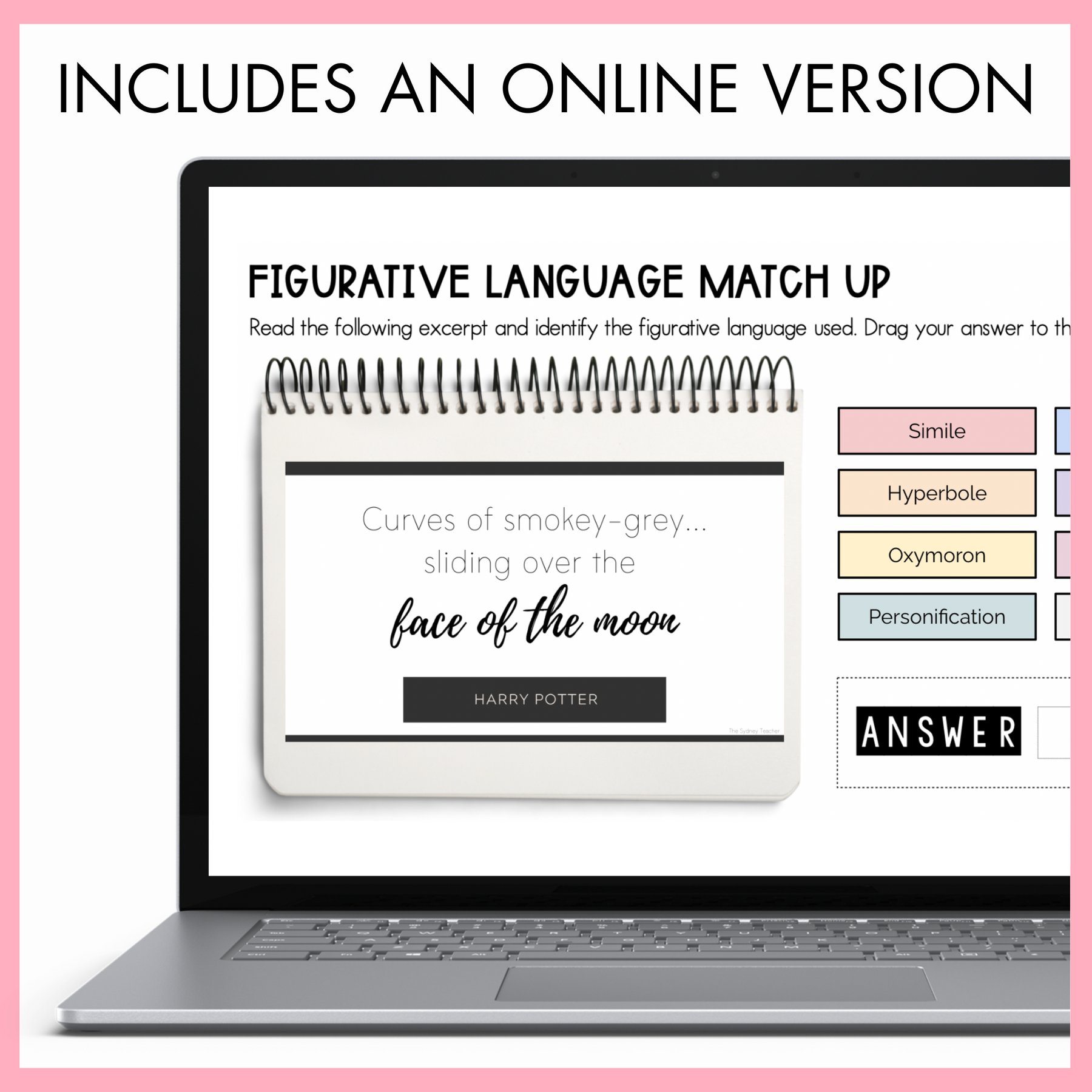
- An online version, perfect for homework or to use in whole class lessons
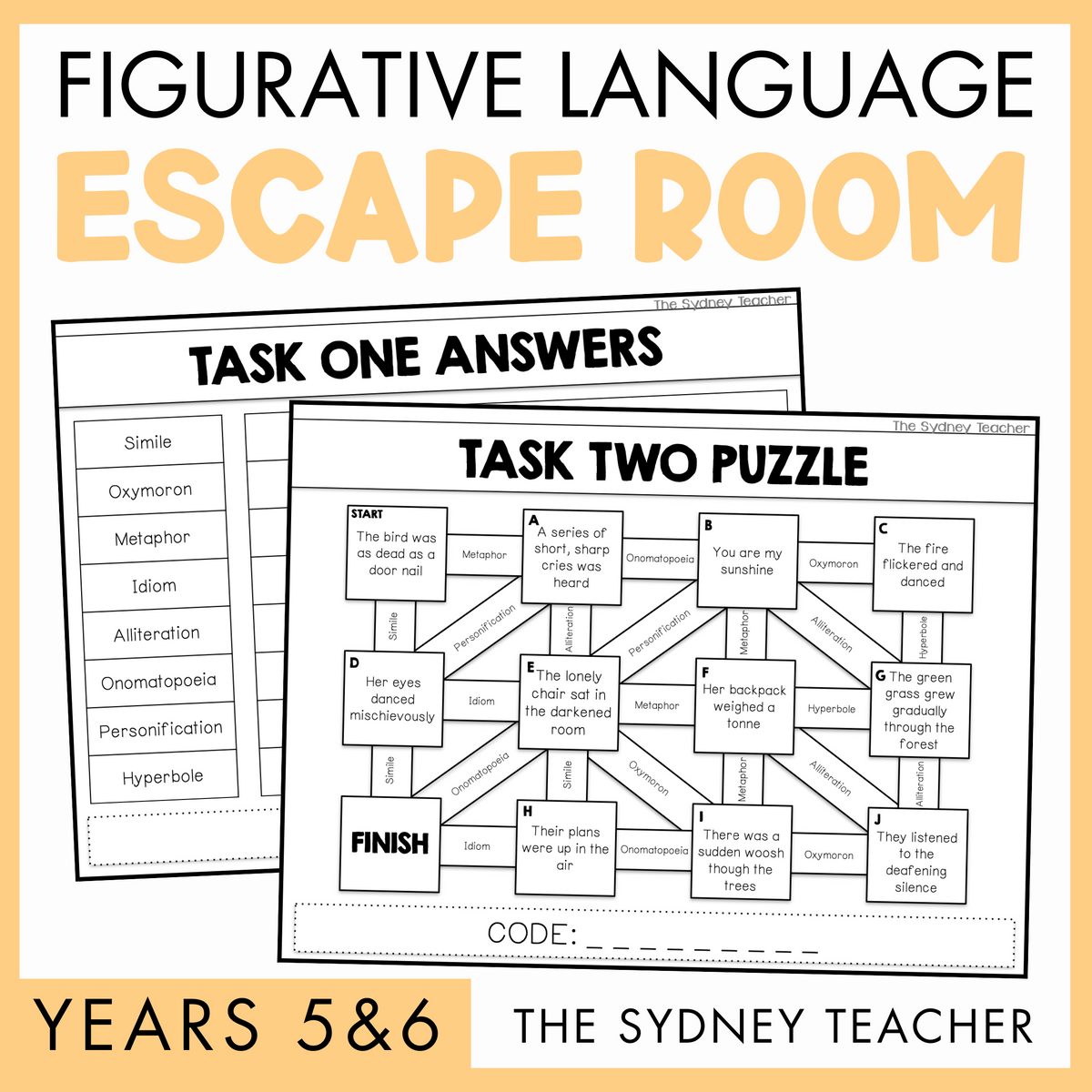
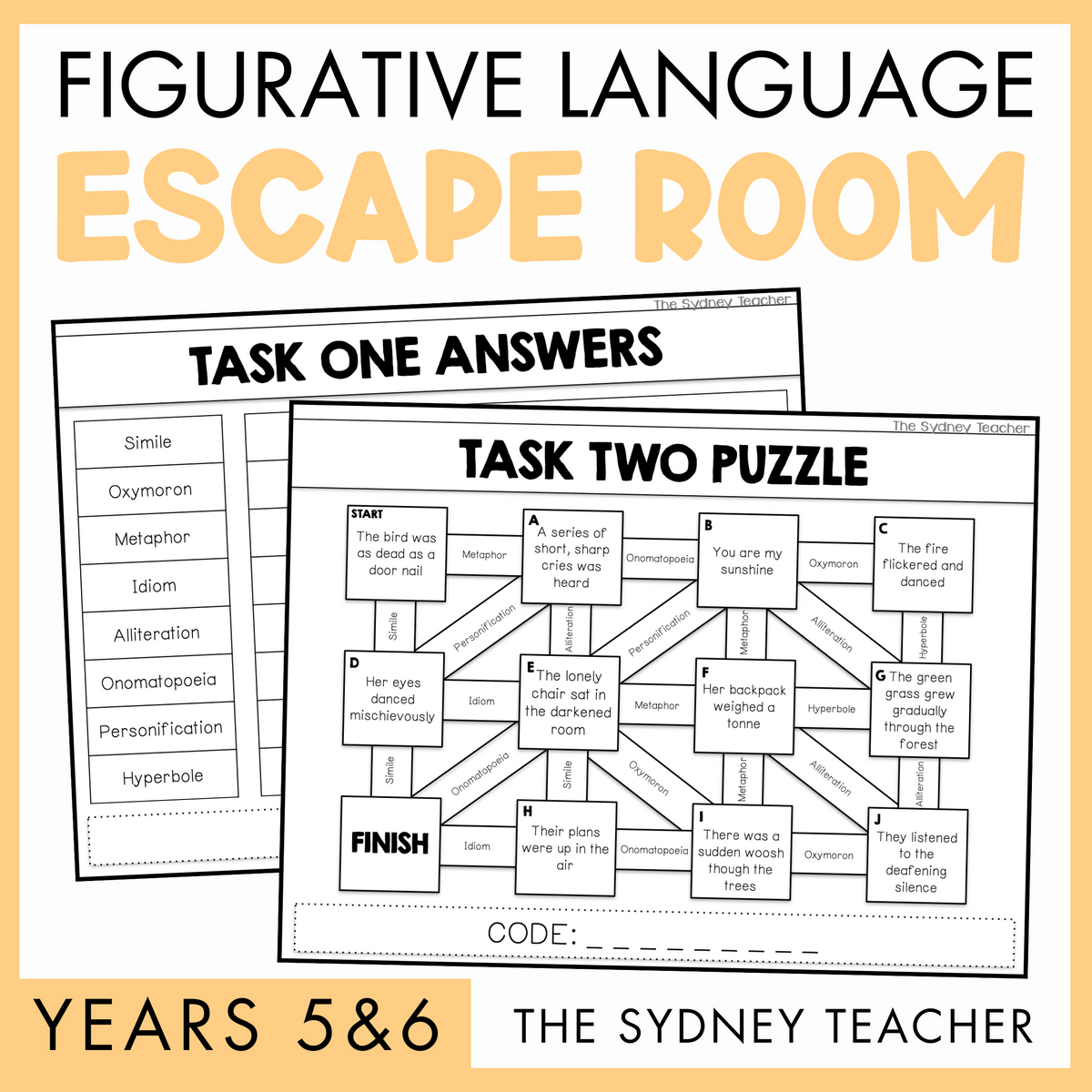
Teachers Who Bought The Figurative Language in Literature, Also Loved...
Free Resources from The Sydney Teacher
Get free ideas and inspiration to use in your classroom today

Maths Warm Up: Stand Up Sit Down
Stand Up, Sit Down is one of those quick, no-prep maths games I always come back to in my classroom. It gets students out of their seats, thinking fast, and making decisions as they decide whether to stand or sit based on maths statements I give them. It is simple, energetic, and a great way to build critical thinking and engagement from the very start of the lesson.

Maths Warm Up: Last Person Standing
Last Person Standing is one of those quick, no-prep maths games I like to pull out when I want my class instantly focused and thinking. It’s a fast-paced place value challenge where students make number decisions, stay alert, and try to be the last one still in the game.
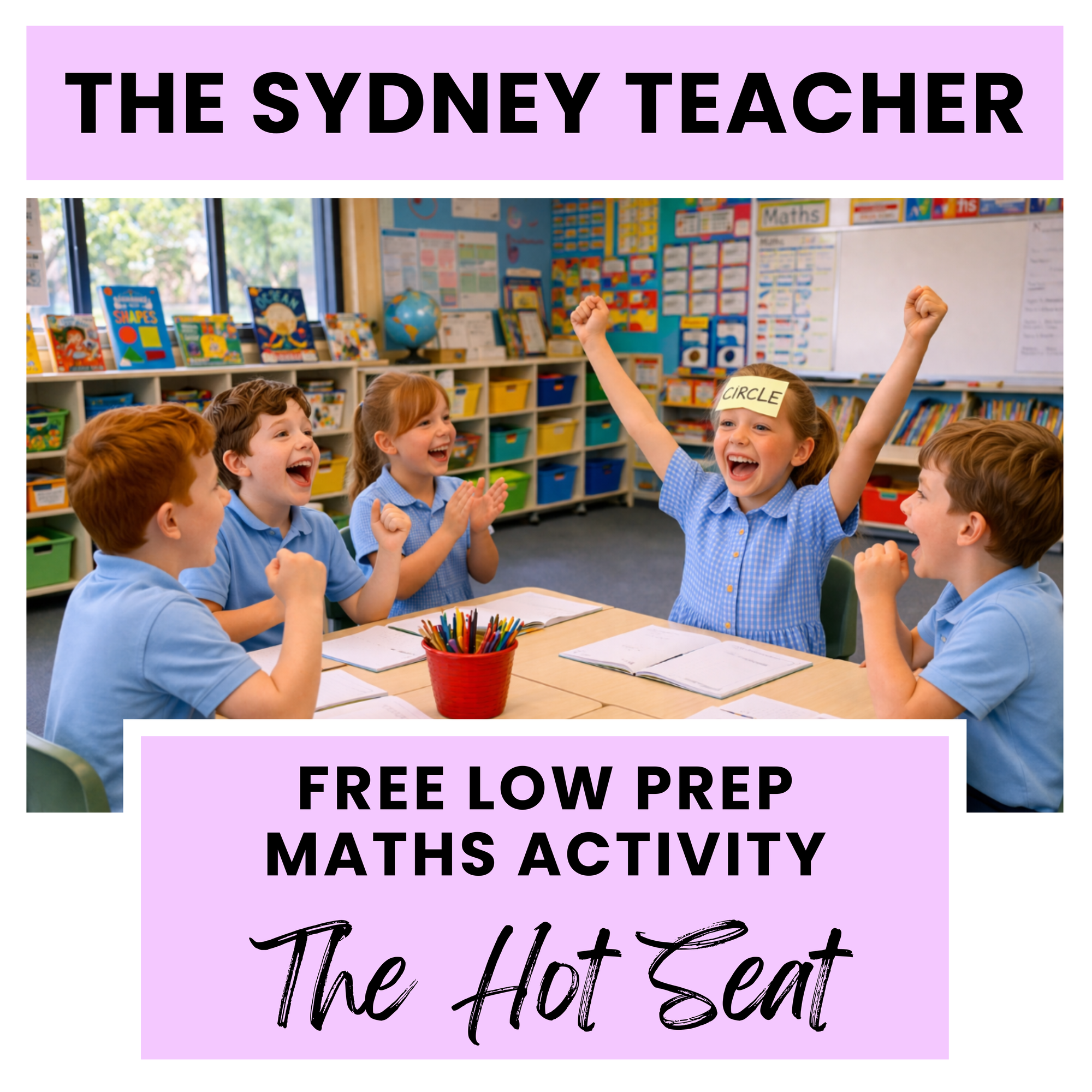
Maths Warm-Up: The Hot Seat
The Hot Seat is one of my favourite quick maths classroom games. One student sits in the “hot seat” and asks questions to figure out a hidden number or answer, while the class responds only with yes, no, or maybe, which gives clues to help solve the problem under time pressure. It’s simple, engaging, and builds reasoning fast.