

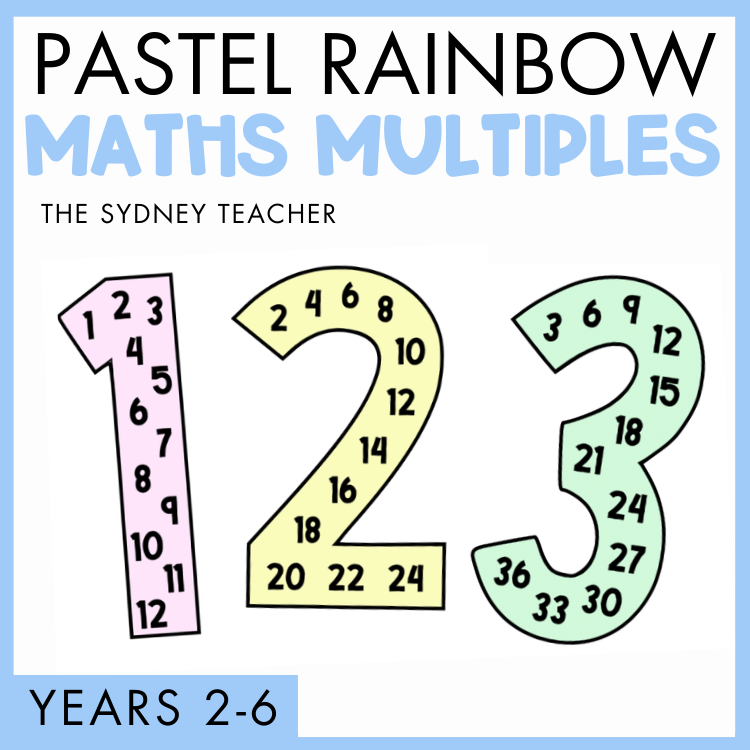

Pastel Rainbow Maths Multiples Display
Help your students learn to skip count and learn their multiples up to 12 with this pastel rainbow display!
This resource is ideal for your wall display or bulletin board, and as a tool for working on multiplication problems, division, fractions, or finding common denominators.
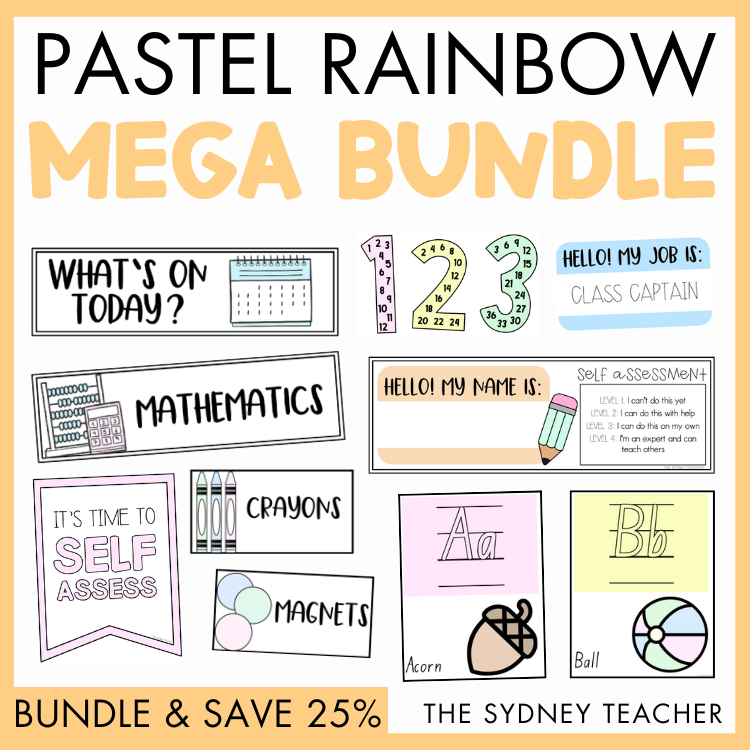
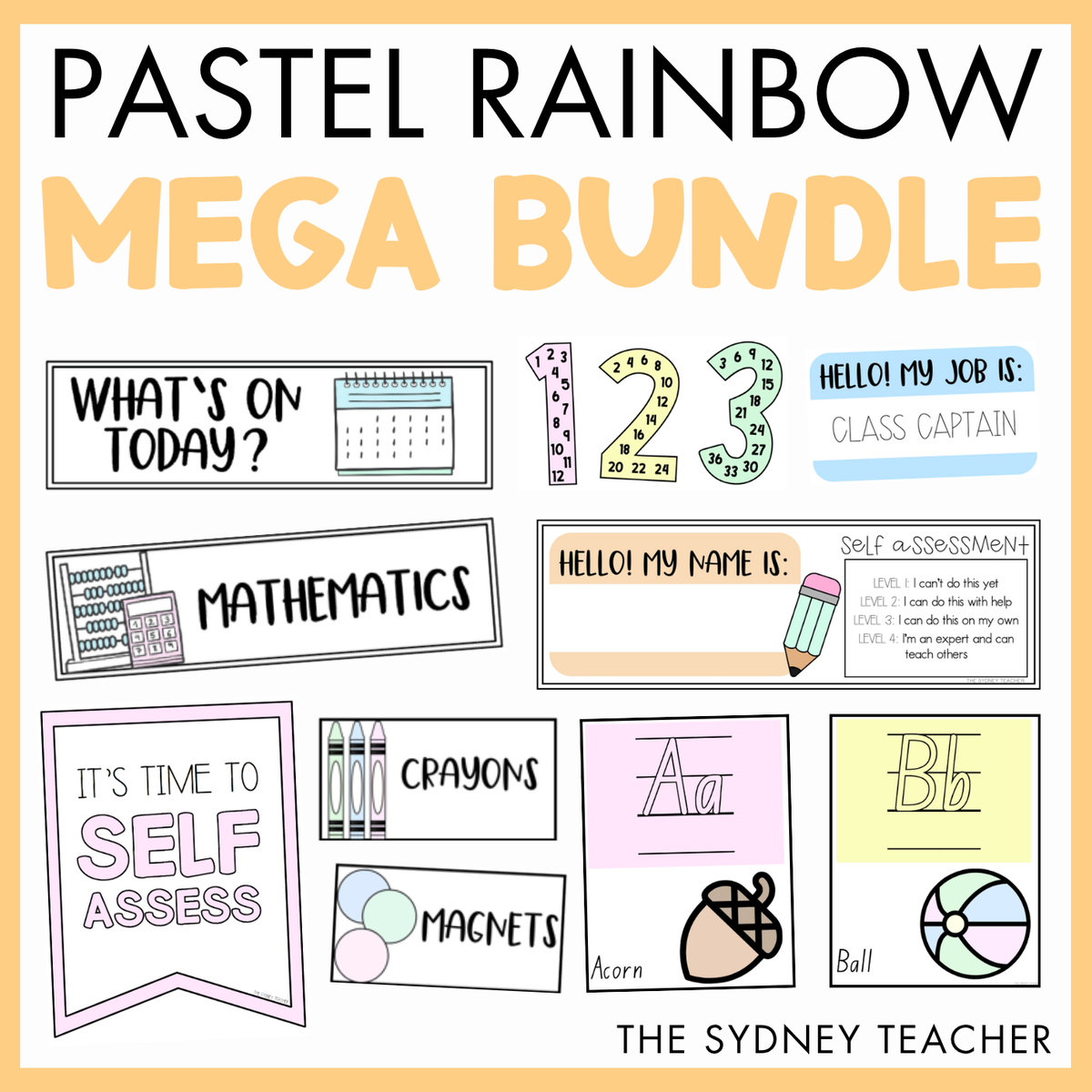
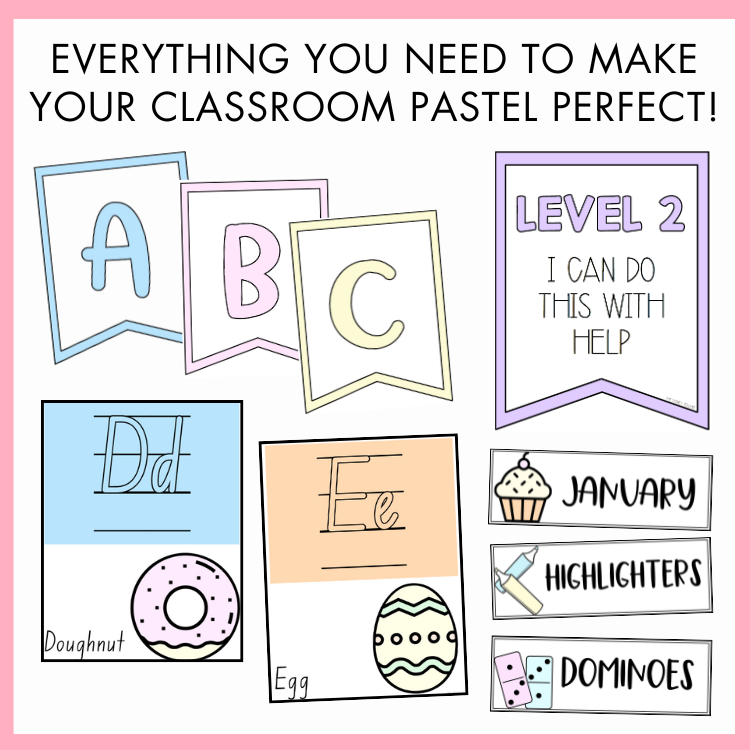
Like this resource? Purchase as a part of my MEGA bundle and save 25%
Outcome Codes:
Purchase in this bundle
Why Choose The Pastel Rainbow Maths Multiples Display?
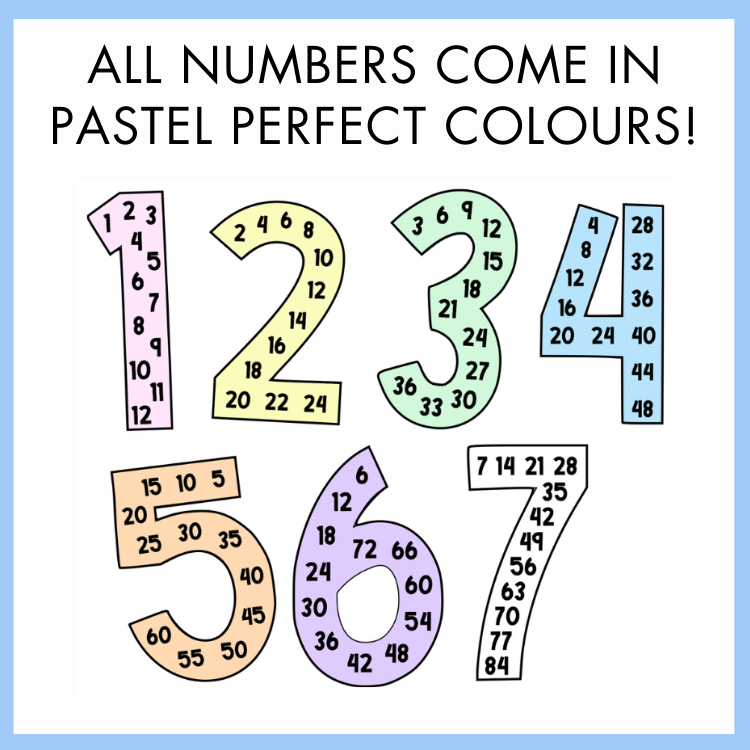
- Posters feature beautiful pastel colours, including pink, yellow, orange, green, purple, and blue.
- Option to print in black and white on cardboard in colours of your choosing.
- This product is suitable for Years 2–6, giving you a lifelong resource to use year after year!
What's Included?
- Numbers 1-12 in pastel colours pink, yellow, green, orange, blue and purple!
- Numbers 1-12 in black and white for printing onto coloured paper!
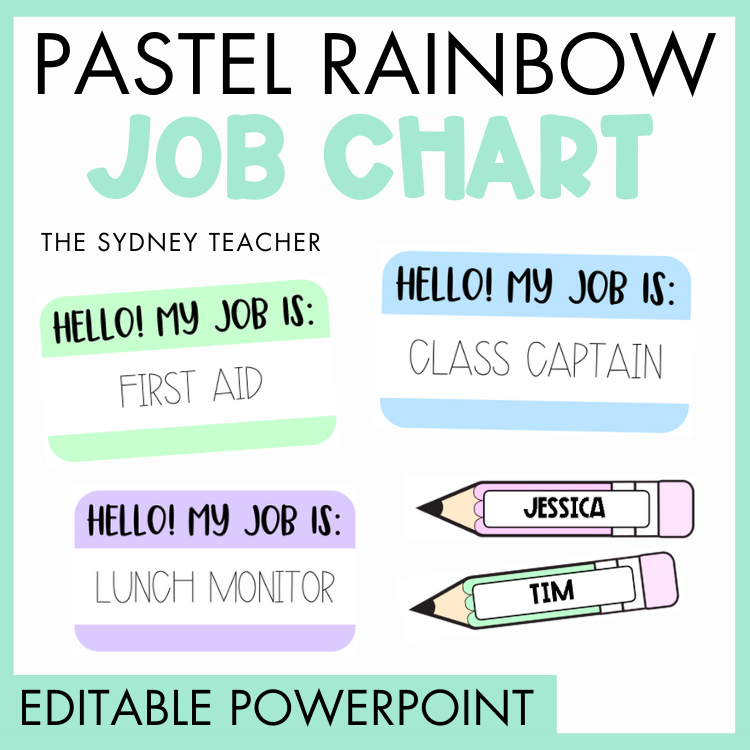
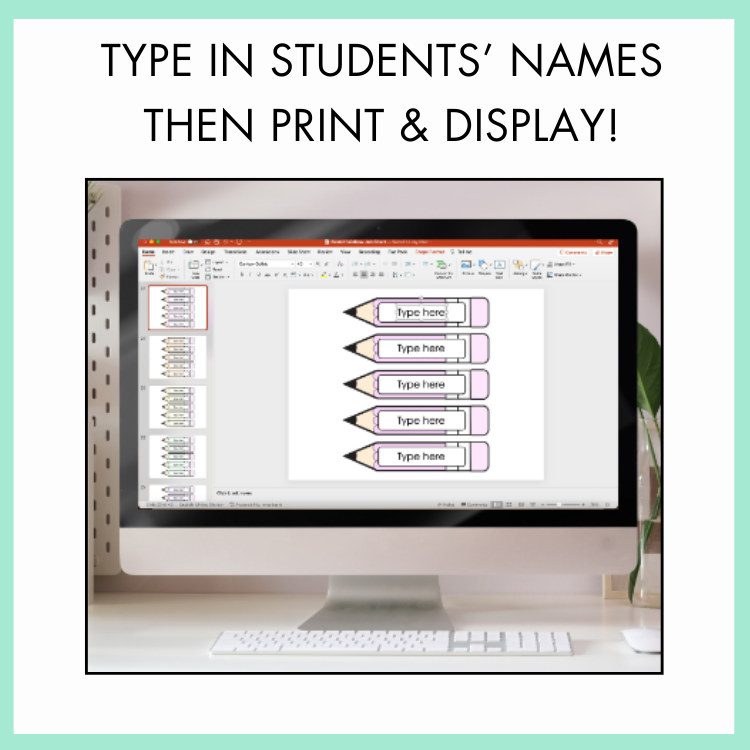
Teachers Who Bought The Pastel Rainbow Maths Multiples Display, Also Loved...
Free Resources from The Sydney Teacher
Get free ideas and inspiration to use in your classroom today
Maths Warm-Up: Broken Calculator
This is one of those maths warm-ups that looks simple at first, but don't let that fool you because it gets students thinking flexibly, sharing strategies, and proving there's rarely just one way to tackle a maths problem.
Maths Warm-Up: Maths O'clock
If your students enjoy sharing different ways to solve a problem, they'll love this activity. This low-prep maths warm-up turns a simple clock face into a creative challenge that gets everyone thinking.
Maths Warm-Up: Msytery Digits
Some of the best maths conversations happen when there's more than one correct answer. That's exactly why this is one of my favourite maths warm-ups. It's a low floor, high ceiling activity that gets every student thinking, no matter where they're at.