


Figurative Language Short Stories
Figurative language, like many writing concepts, is best taught in context. That’s why this pack includes 16 short stories that are PACKED with figurative language.
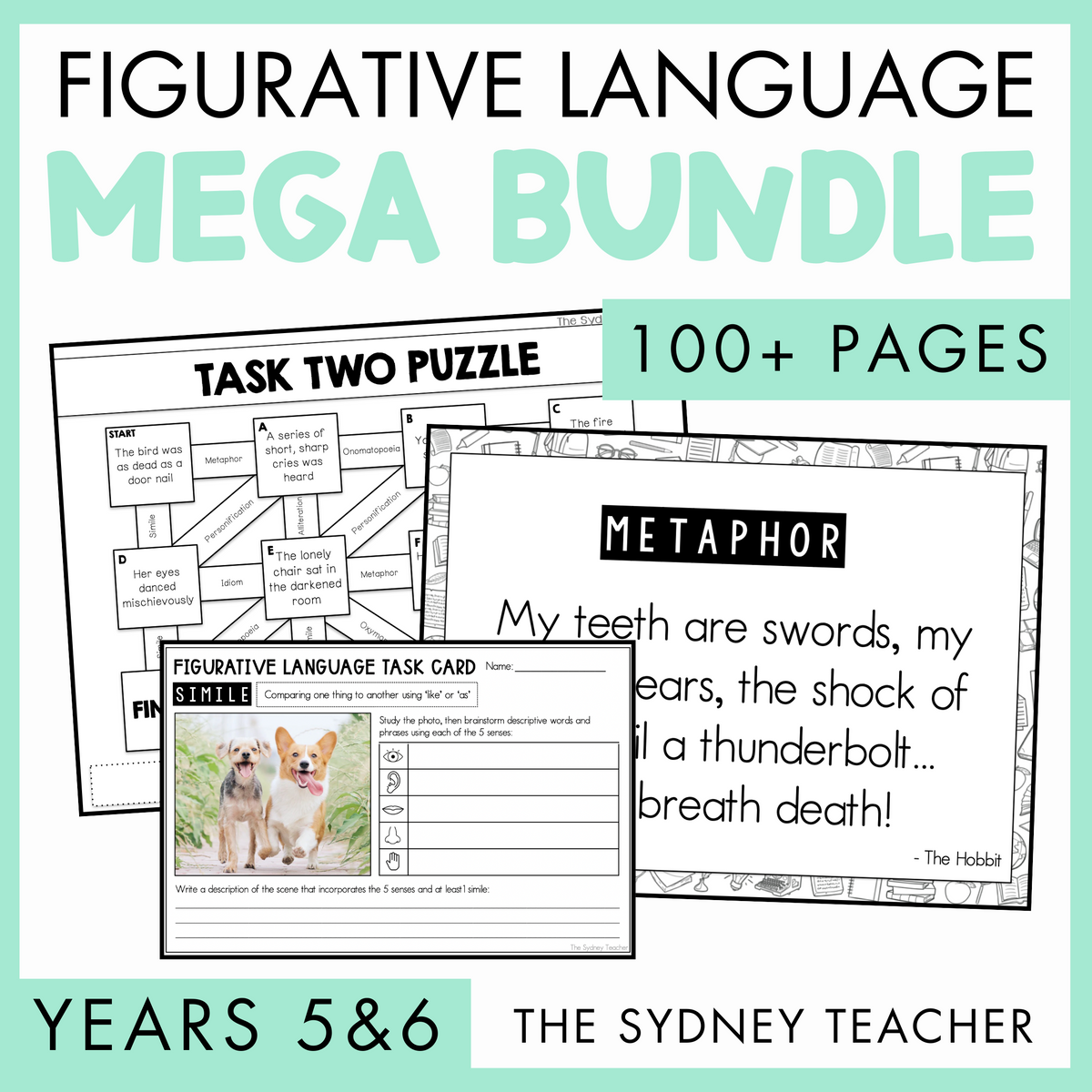
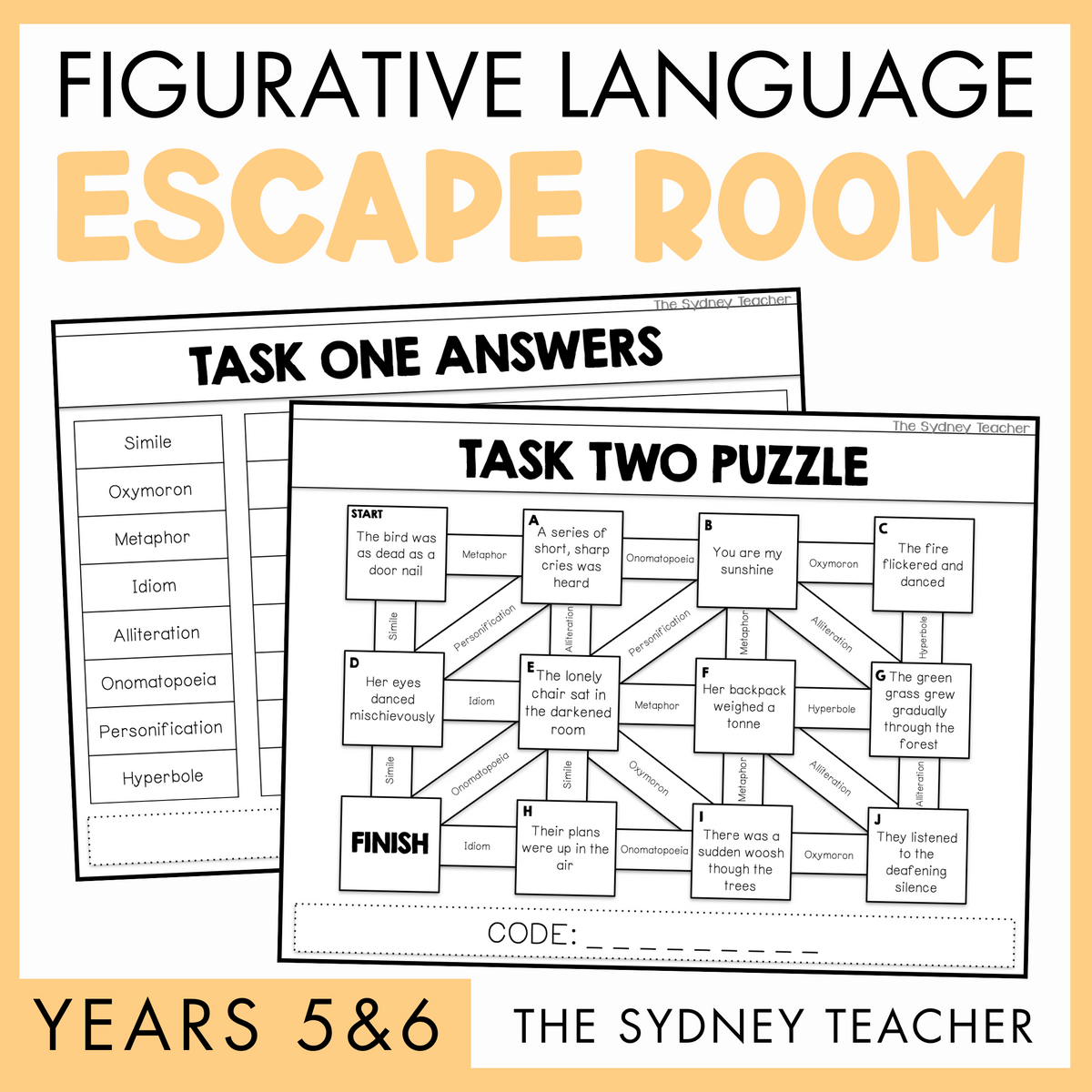
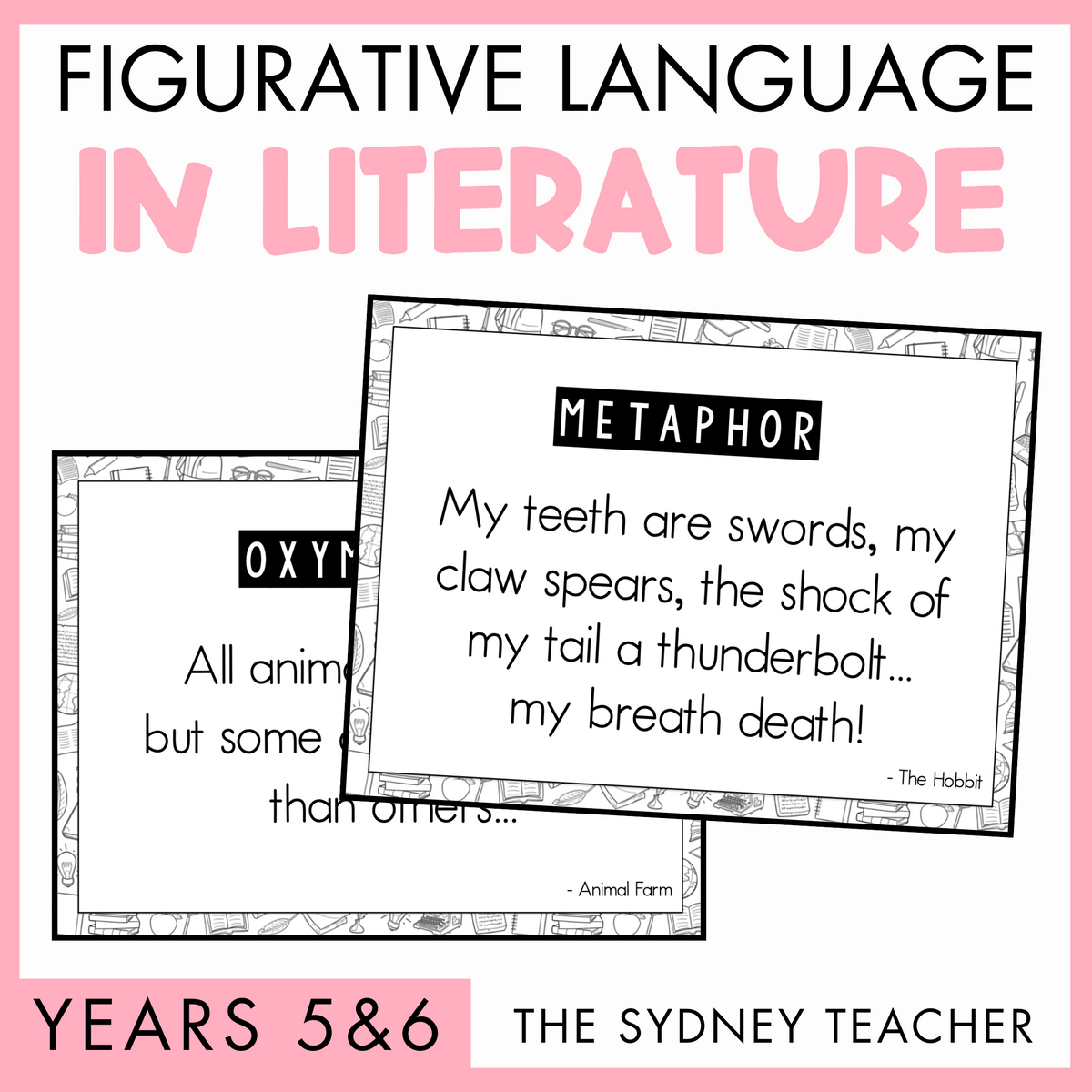
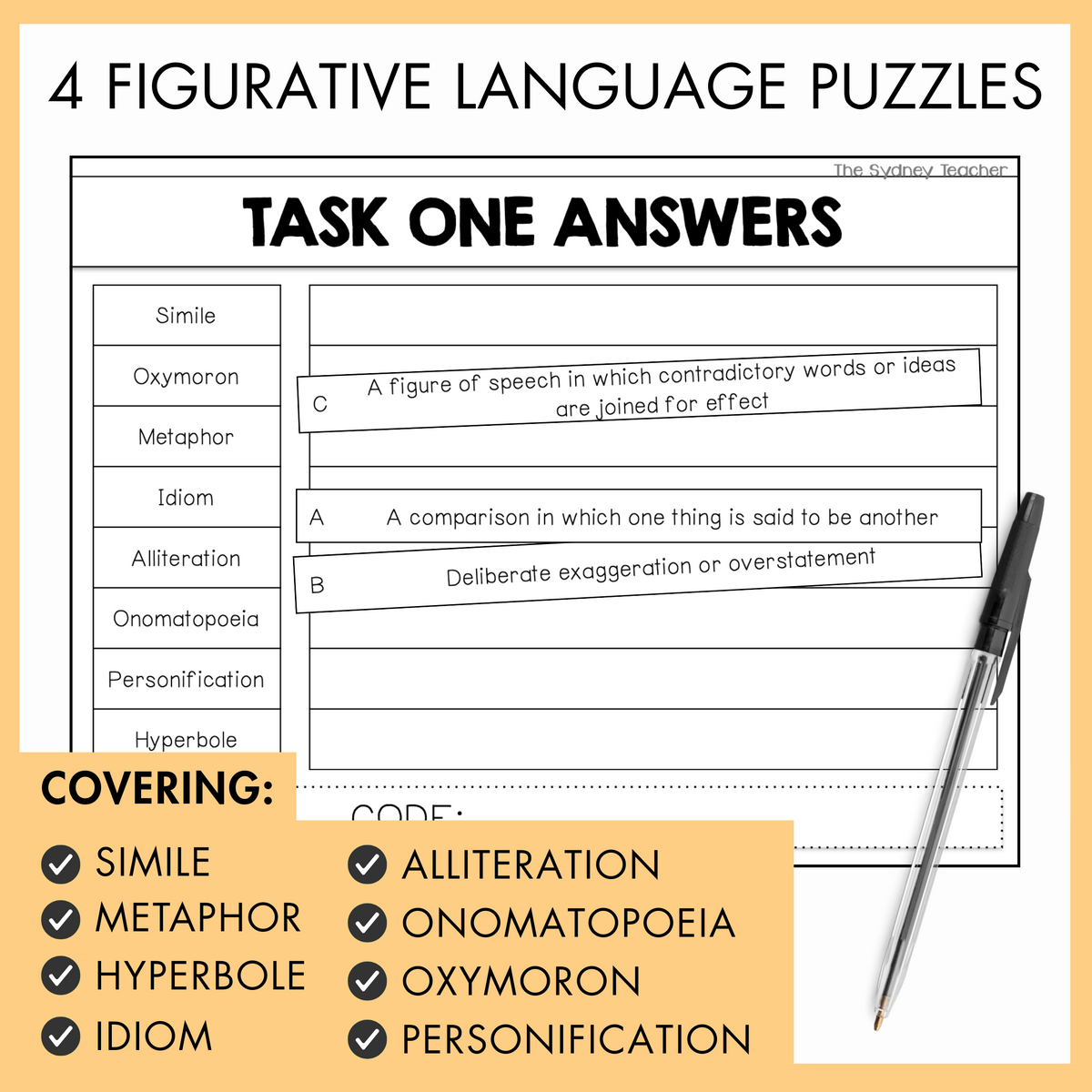
Figurative Language Covered: simile, metaphor, hyperbole, idiom, oxymoron, alliteration, personification, and onomatopoeia
Purchase in this bundle
Why Choose The Figurative Language Short Stories?
- This resource includes 16 engaging stories on topics your students will love, such as a food fight in the teacher’s staffroom, an explorer discovering a lost world, and a museum coming to life after dark!
- Students can learn figurative language most effectively - by seeing it used in context!
- Excerpts can be used as story starters for new narratives!
- Flexible printing options in A4 or A5 make differentiation and classroom use easy.
What's Included?
- 16 short stories FULL of figurative language
- Option to print as an A4 version with extra activities
- Option to print as an A5 version where students highlight / colour code the figurative language
Teachers Who Bought The Figurative Language Short Stories, Also Loved...
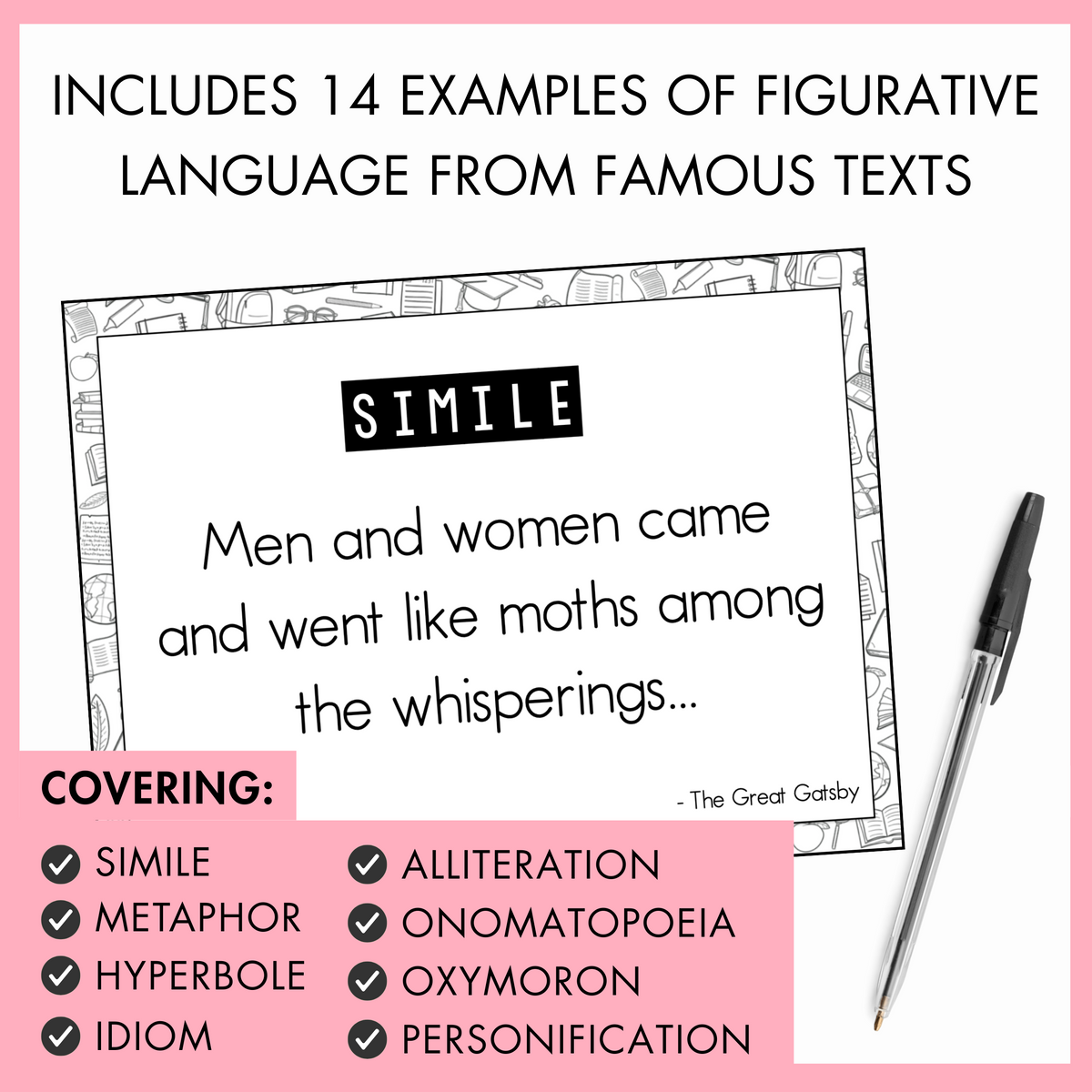
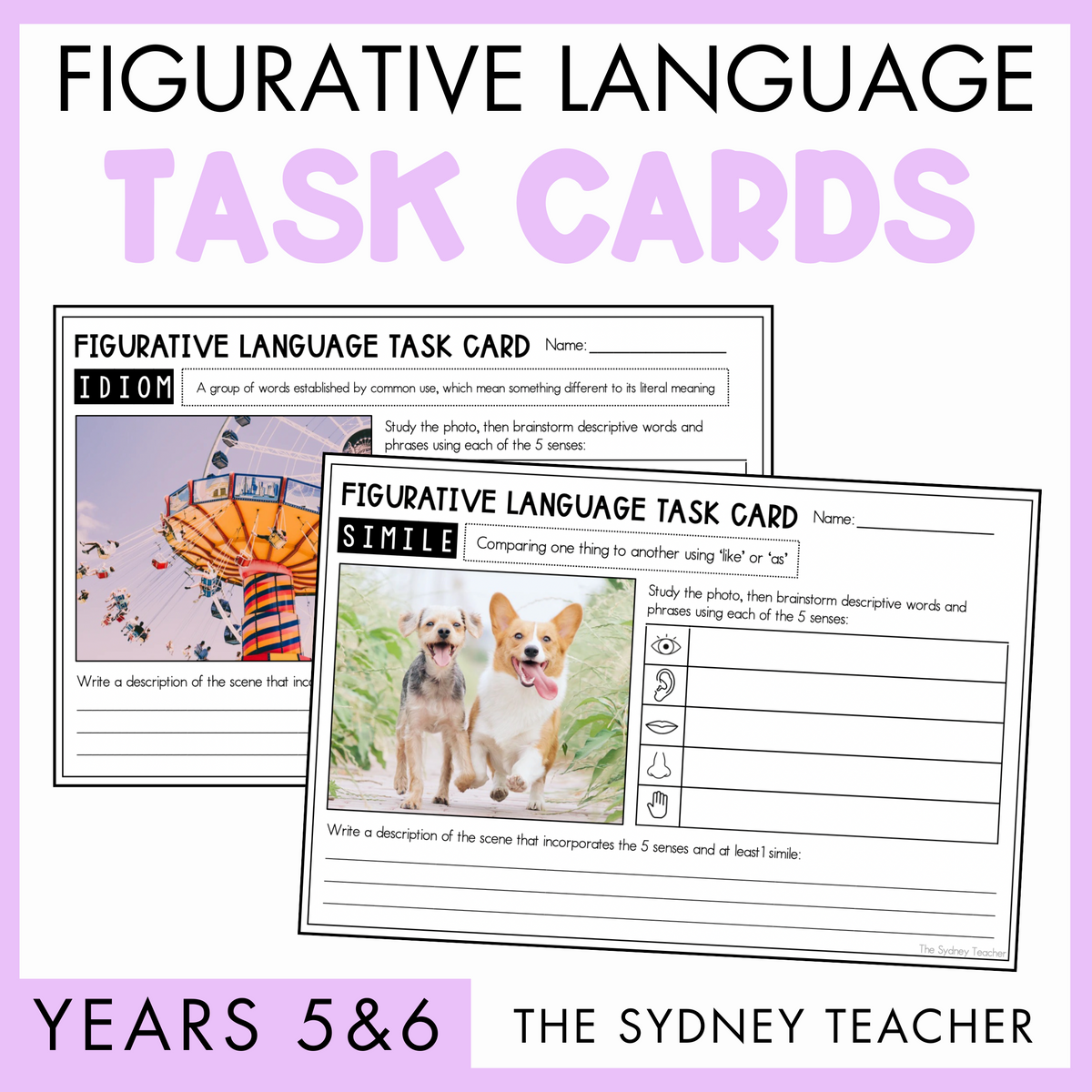
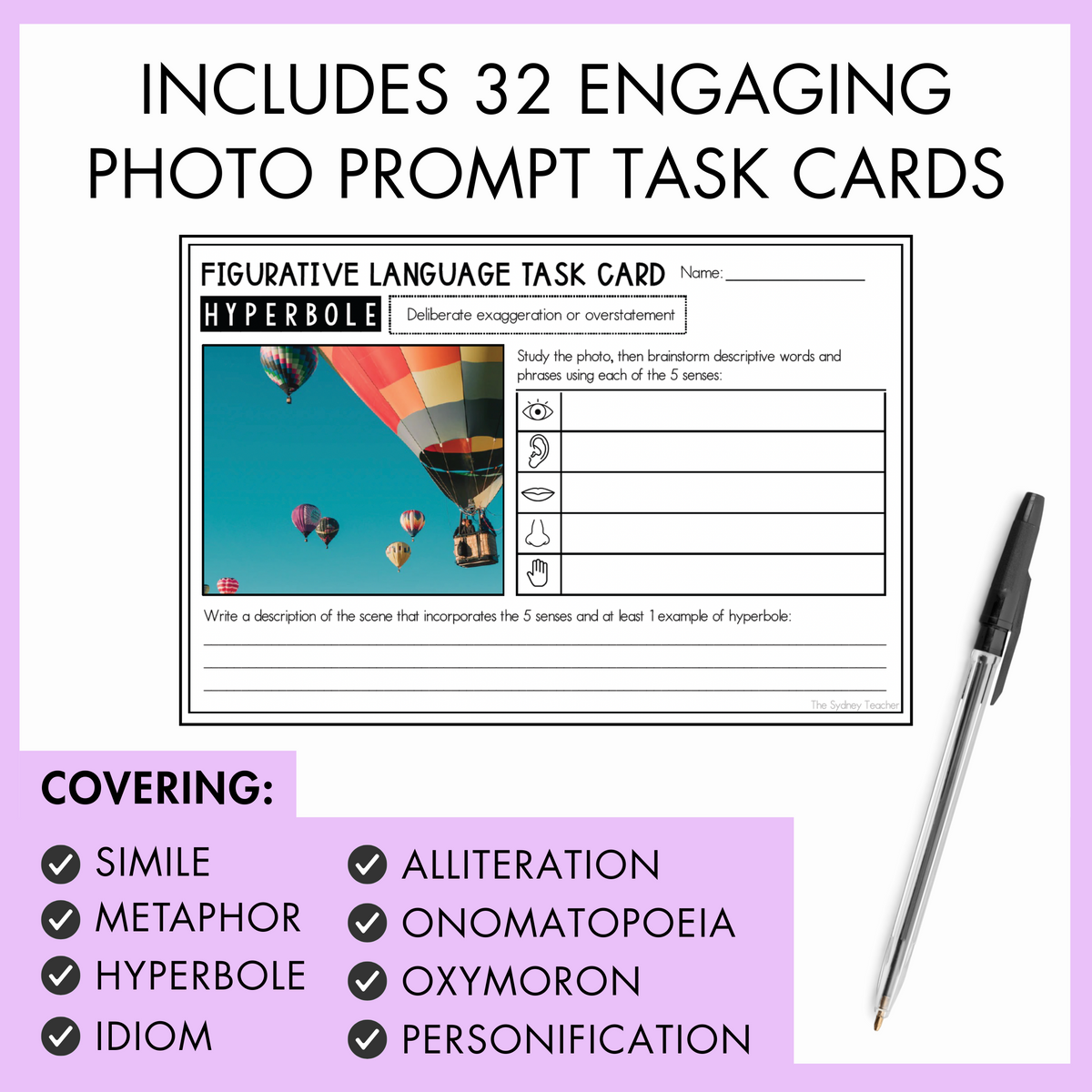
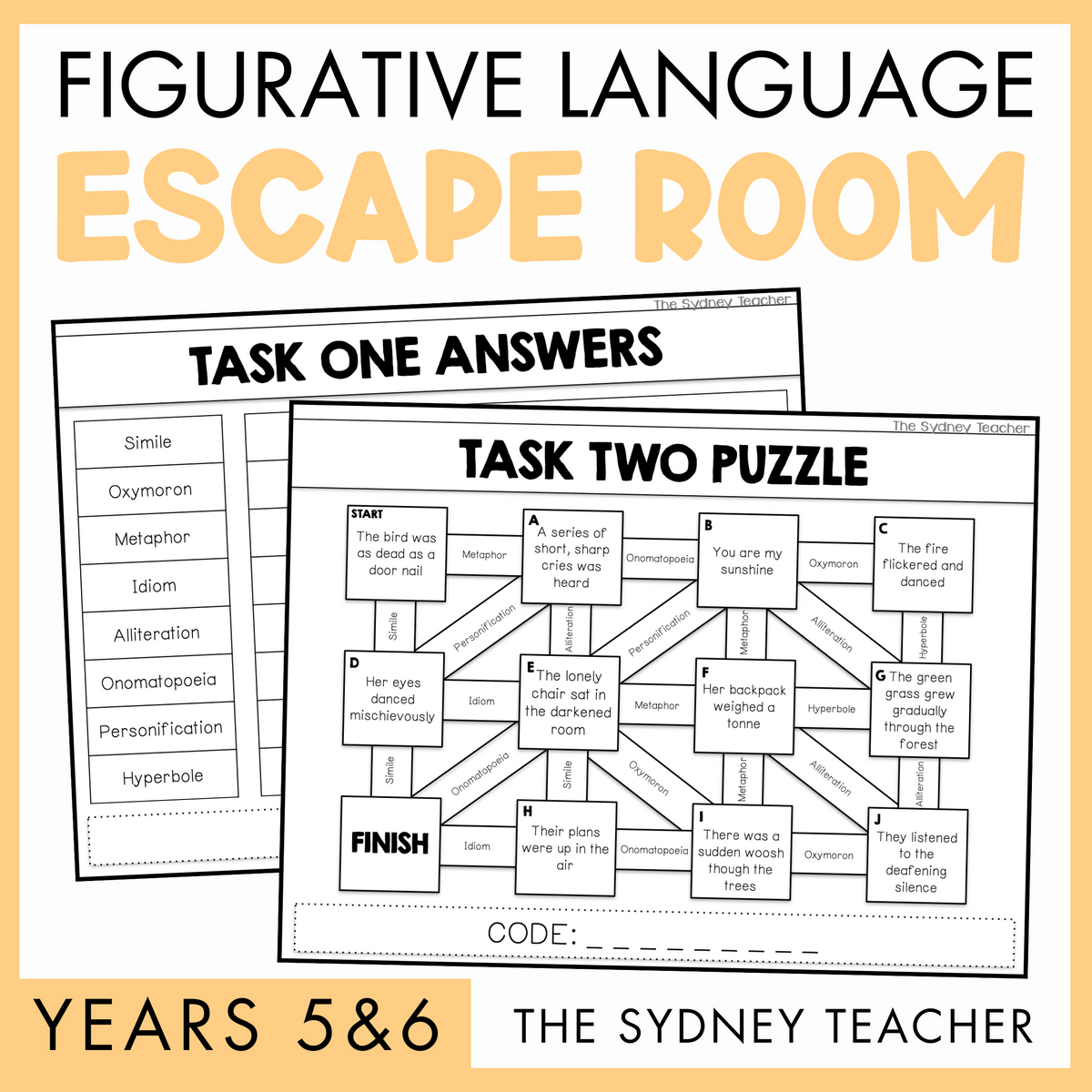
Free Resources from The Sydney Teacher
Get free ideas and inspiration to use in your classroom today
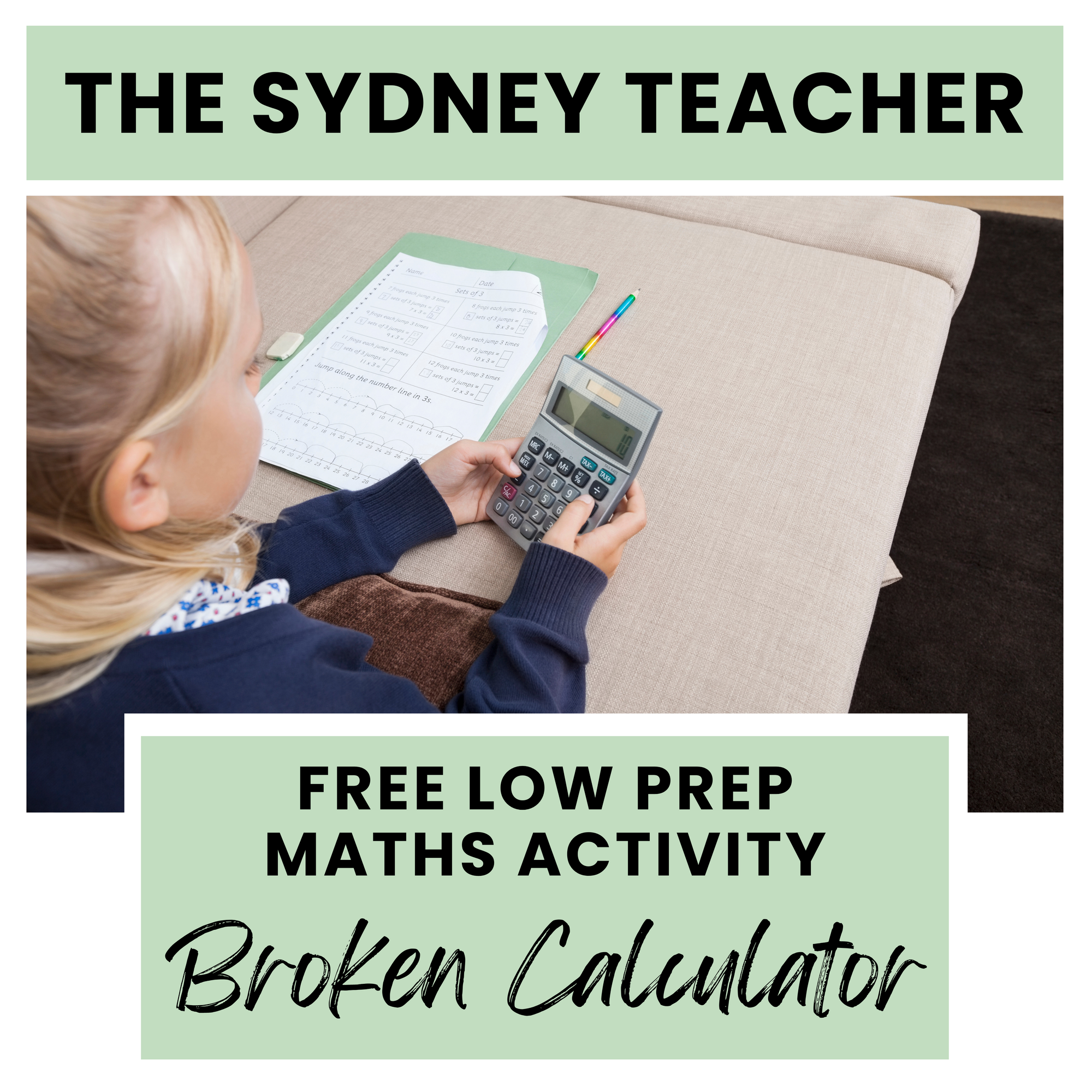
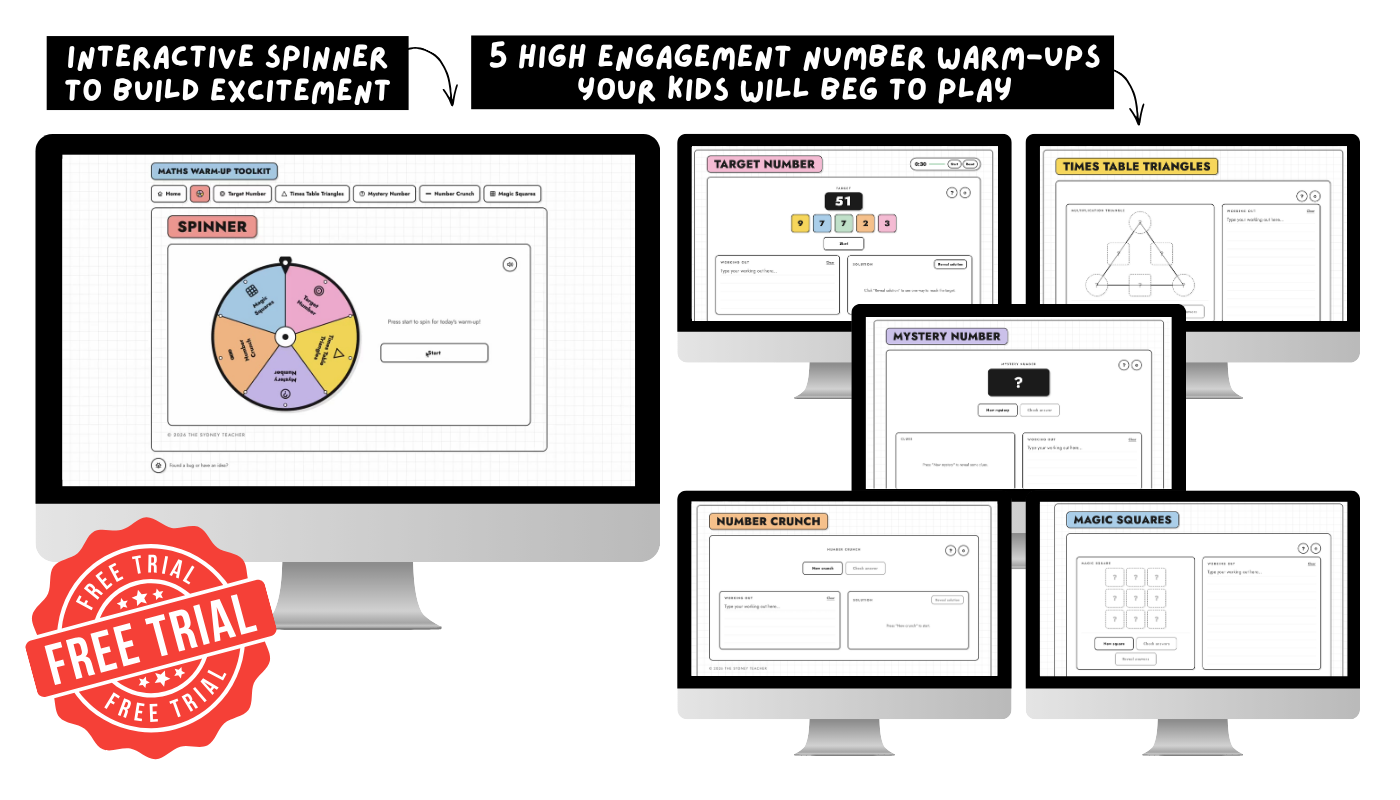
Maths Warm-Up: Broken Calculator
This is one of those maths warm-ups that looks simple at first, but don't let that fool you because it gets students thinking flexibly, sharing strategies, and proving there's rarely just one way to tackle a maths problem.
Maths Warm-Up: Maths O'clock
If your students enjoy sharing different ways to solve a problem, they'll love this activity. This low-prep maths warm-up turns a simple clock face into a creative challenge that gets everyone thinking.
Maths Warm-Up: Msytery Digits
Some of the best maths conversations happen when there's more than one correct answer. That's exactly why this is one of my favourite maths warm-ups. It's a low floor, high ceiling activity that gets every student thinking, no matter where they're at.