



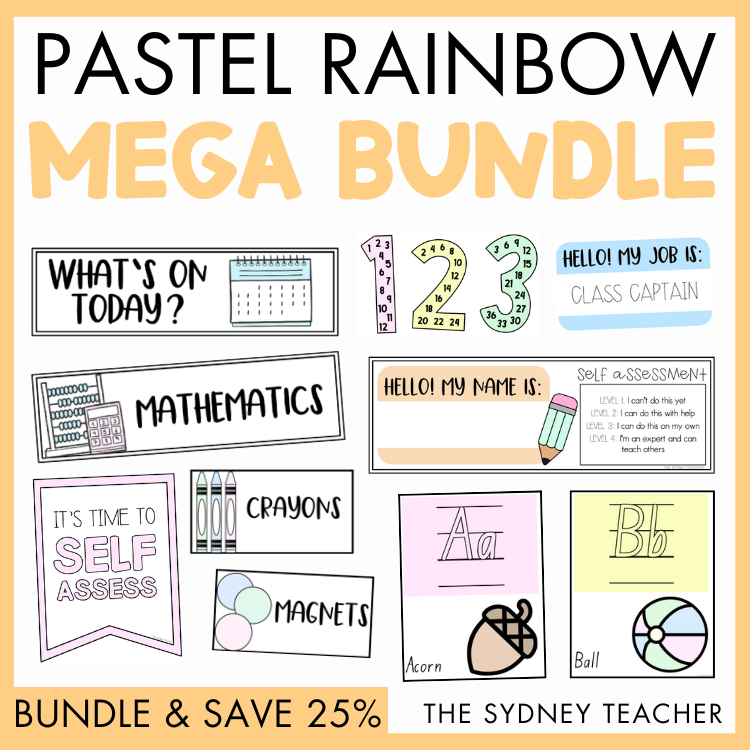
Pastel Rainbow Visual Timetable
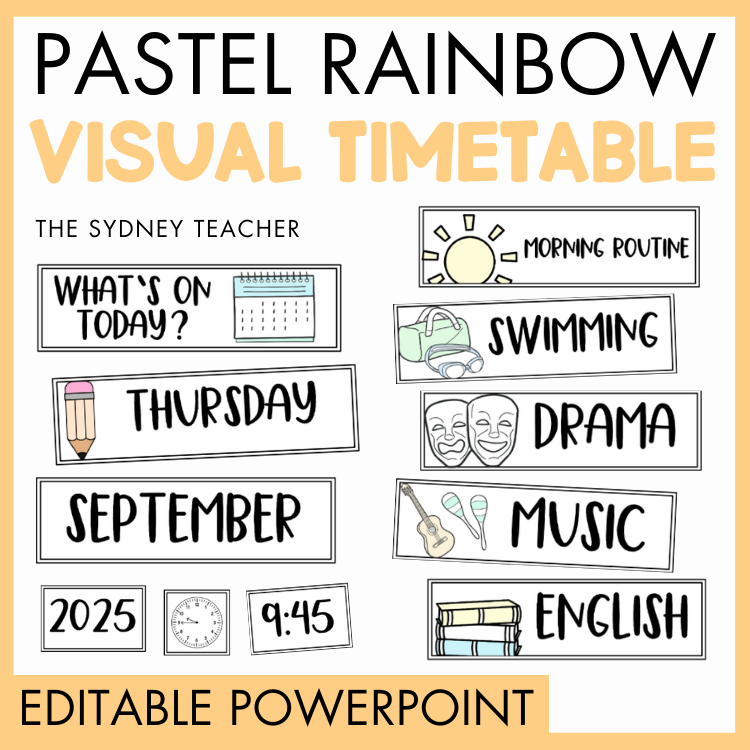
Make your classroom pastel-perfect with this gorgeous visual timetable!
This resource helps you organise your day and help students manage transitions. With pre-made templates and editable versions, you will have everything you need to print and go.
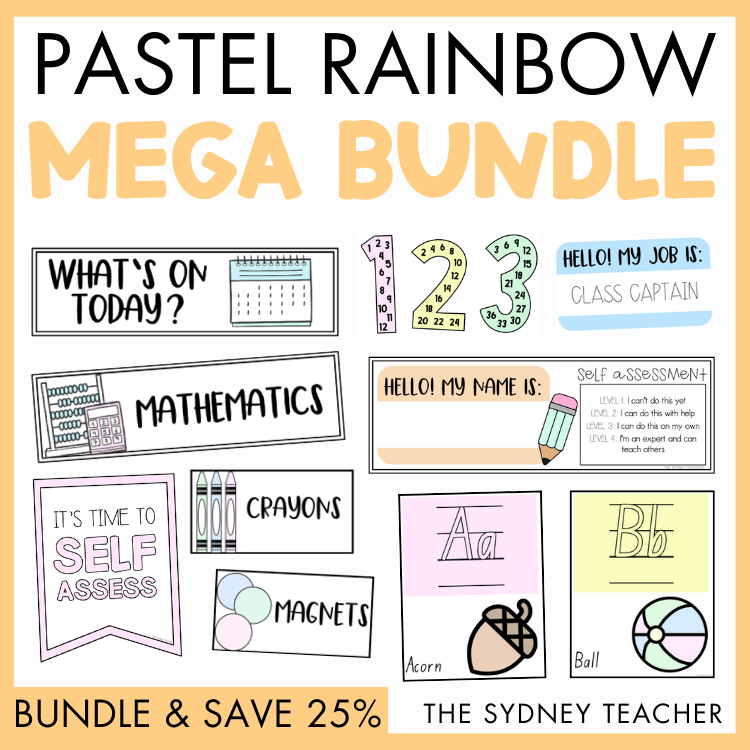
Like this resource? Purchase as a part of my MEGA bundle and save 25%
Outcome Codes:
Purchase in this bundle
Why Choose The Pastel Rainbow Visual Timetable?
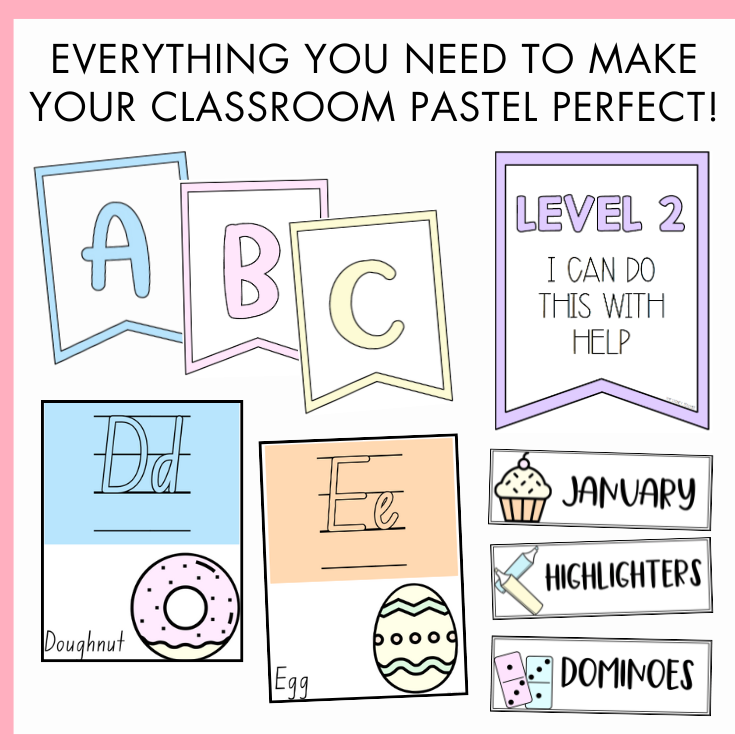
- All the labels feature gorgeous pastel clip art.
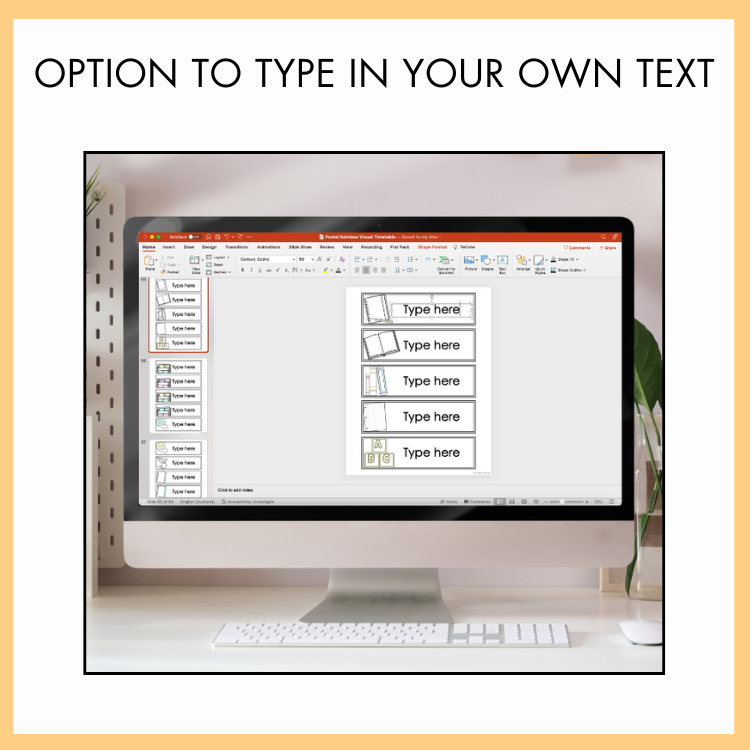
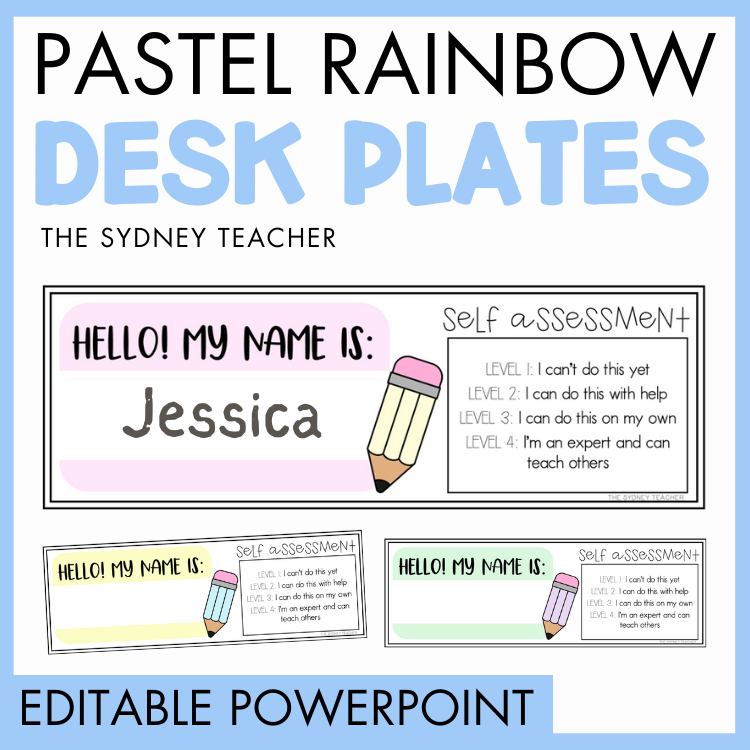
- Labels come as an editable PowerPoint you can type into and print!
- This product is suitable for all grades K–6, giving you a lifelong resource you can use year after year!
- Ready-to-use templates save you time and make classroom organisation effortless!
What's Included?
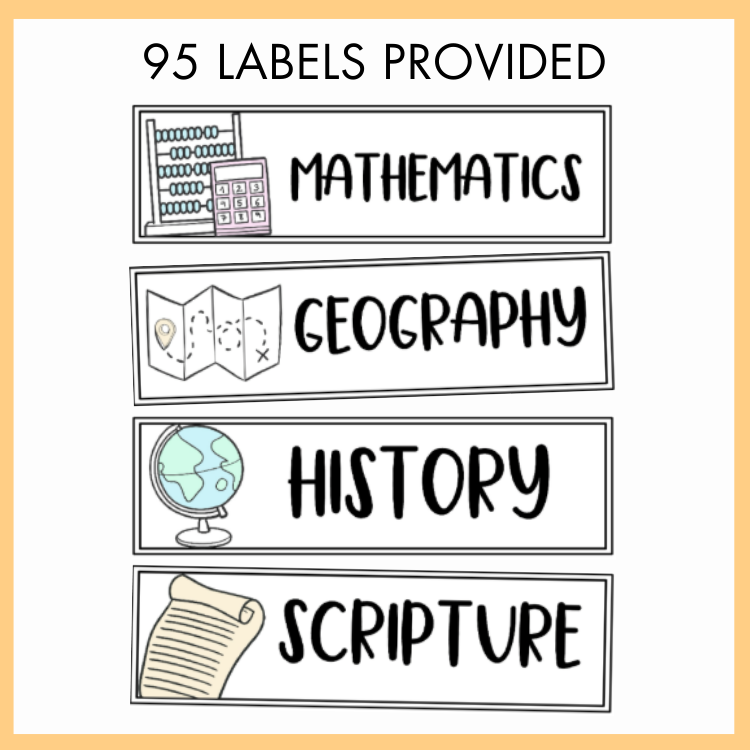
- 95 Subject Labels
- Day, Month and Year Labels
- Analogue and Digital Times Between 8:00-5:00 (in 5 minute intervals)
- Blank labels you can customise to suit your classroom needs!
Teachers Who Bought The Pastel Rainbow Visual Timetable, Also Loved...
Free Resources from The Sydney Teacher
Get free ideas and inspiration to use in your classroom today

Maths Warm Up: Stand Up Sit Down
Stand Up, Sit Down is one of those quick, no-prep maths games I always come back to in my classroom. It gets students out of their seats, thinking fast, and making decisions as they decide whether to stand or sit based on maths statements I give them. It is simple, energetic, and a great way to build critical thinking and engagement from the very start of the lesson.

Maths Warm Up: Last Person Standing
Last Person Standing is one of those quick, no-prep maths games I like to pull out when I want my class instantly focused and thinking. It’s a fast-paced place value challenge where students make number decisions, stay alert, and try to be the last one still in the game.
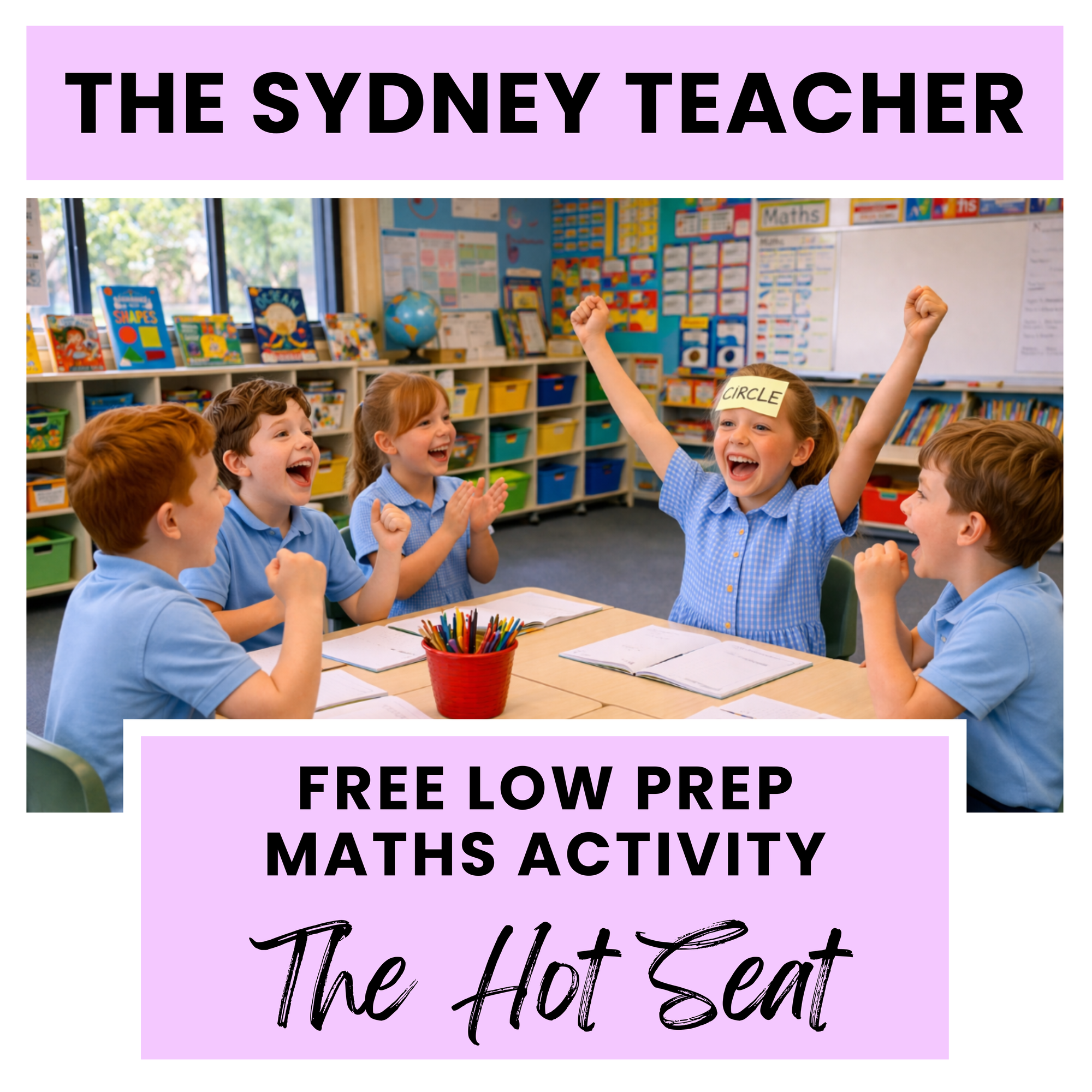
Maths Warm-Up: The Hot Seat
The Hot Seat is one of my favourite quick maths classroom games. One student sits in the “hot seat” and asks questions to figure out a hidden number or answer, while the class responds only with yes, no, or maybe, which gives clues to help solve the problem under time pressure. It’s simple, engaging, and builds reasoning fast.